Myrrh Gum Oleo Resin (Commiphora molmol): The Ancient Antiseptic
Myrrh — the aromatic gum resin of Commiphora molmol — is one of the oldest medicines known to human civilisation, used in ancient Egypt for embalming, in biblical tradition as one of the gifts of the Magi, and across Arabic, Ayurvedic, and Traditional Chinese Medicine for over four thousand years. Its reputation as a powerful antiseptic, wound-healing, and anti-inflammatory resin has been consistently validated by modern research — myrrh’s terpenoid and sesquiterpene compounds demonstrate genuine antimicrobial, anti-inflammatory, and immune-modulating activity.
At Herba Naturalle, Myrrh is listed in the comprehensive herb index as a primary antiseptic and mucous membrane herb — relevant to the immune support discussed throughout the Stop the Inflammation Pandemic series.
Active Compounds
- Sesquiterpenes — furanoeudesma-1,3-diene and related compounds; the primary anti-inflammatory and analgesic compounds, acting on opioid receptors to provide pain relief
- Resin acids — commiphoric acids; antimicrobial action against bacteria, fungi, and parasites
- Volatile oil — heerabolene, eugenol; contributing antiseptic and locally anaesthetic properties
- Gum (polysaccharides) — soothing demulcent properties
Clinical Applications
Mouth Ulcers and Gum Disease
The most well-established traditional and clinical application. Myrrh tincture, applied directly or used as a mouthwash, is one of the most effective natural treatments for mouth ulcers, gingivitis, and periodontal disease. The combination of antimicrobial resin acids and the locally analgesic sesquiterpenes provides both infection control and pain relief simultaneously.
Sore Throat and Pharyngitis
Used as a gargle for sore throat, tonsillitis, and laryngitis — the antiseptic and astringent action soothes and protects the inflamed pharyngeal mucosa.
Wound Healing
Myrrh has been used for wound care since antiquity — modern research confirms antimicrobial activity against a range of wound pathogens and a genuine wound-healing acceleration effect.
Immune Support
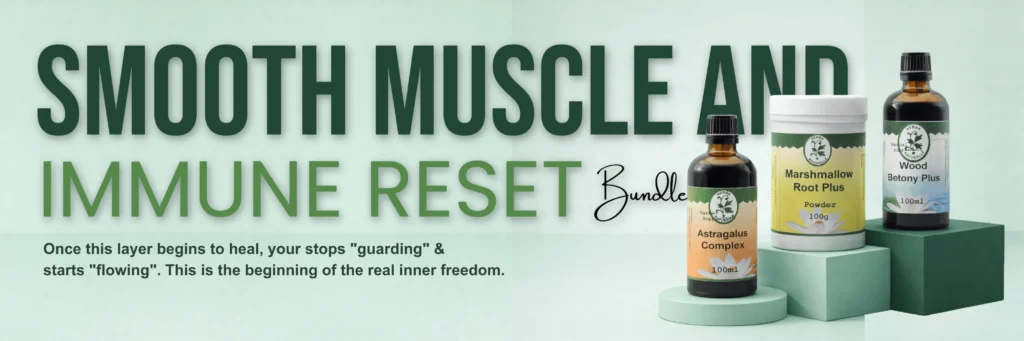
Polysaccharide and resin compounds provide mild immune-modulating activity — supporting the body’s response to infection. Complementary to the immune work of the Smooth Muscle and Immune Reset Bundle.
Digestive Support
As a bitter resin, myrrh has traditional use as a digestive stimulant — particularly in conditions with associated infection or inflammation in the digestive tract.
Relevant Blog Posts
- Welcome to the Final Episode of the Inflammation Pandemic Series
- Stop the Inflammation Pandemic: Breathe Easy – Inflammation in the Nose, Sinuses, and Lungs
- Stop the Inflammation Pandemic – The Lymphatic System
- Stop the Inflammation Pandemic: The Digestive System (Part 1)
- Inflammation in Muscles and Joints: The Hidden Link to Autoimmunity
How to Use
- Tincture (oral mouthwash use): A few drops in water, used as a mouth rinse or gargle several times daily — do not swallow concentrated tincture
- Tincture (internal, diluted): 1–2ml three times daily in water for digestive or immune support
- Topical: Diluted tincture applied to minor wounds and skin lesions
Safety
- Concentrated tincture: Can irritate mucous membranes if used undiluted — always dilute appropriately
- Pregnancy: Contraindicated — myrrh has historically been used as a uterine stimulant
- Bleeding disorders: Mild anticoagulant properties — professional guidance
Contact Herba Naturalle for oral health and immune herbal support. Browse all products and the full herb index.
This article is for informational purposes only. Please consult a qualified medical herbalist before use.
Our Trending Products & Bundles
-
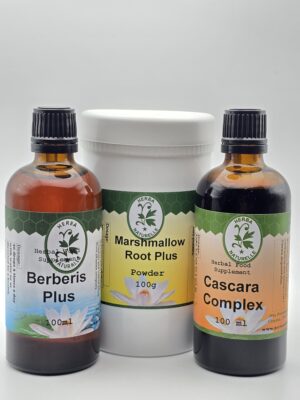 Digestive reset bundle
Original price was: £151.65.£144.95Current price is: £144.95.
Digestive reset bundle
Original price was: £151.65.£144.95Current price is: £144.95.
-
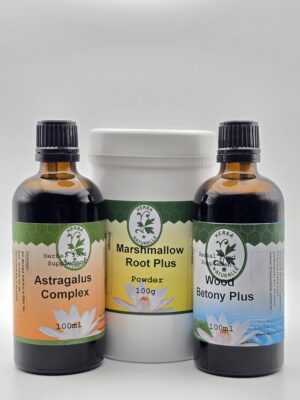 Smooth muscle and immune reset Bundle
Original price was: £177.60.£159.95Current price is: £159.95.
Smooth muscle and immune reset Bundle
Original price was: £177.60.£159.95Current price is: £159.95.
-
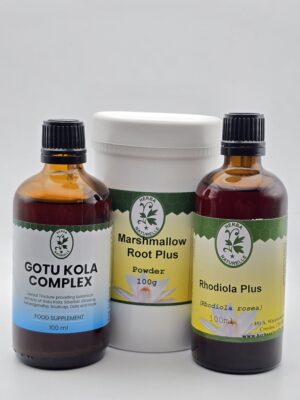 Nervous System Reset
Original price was: £163.68.£149.95Current price is: £149.95.
Nervous System Reset
Original price was: £163.68.£149.95Current price is: £149.95.
-
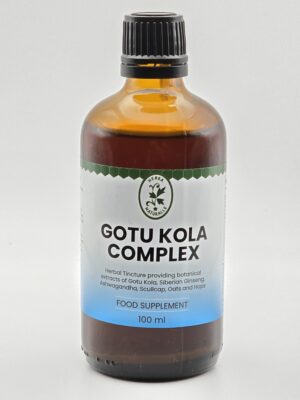 Gotu Kola Complex
£26.95
Gotu Kola Complex
£26.95

About the Author

Holistic Herbalist in UK · 30 Years of Excellence at Croydon, GB
Angela Jegnathan brings over 30 years of experience in integrated medicine and more than 25 years of full-time clinical herbal practice. Specializing in holistic herbal medicine, she focuses on restoring digestive health, calming the nervous system, and supporting the body's natural inflammatory response through evidence-based, patient-centered care.
Expertise: Holistic Herbs, Natural Medicines, Herbal Health
30 years of experience
