
Lady’s Mantle Leaf (Alchemilla vulgaris): The Woman’s Herb
Lady’s Mantle — Alchemilla vulgaris — is one of the most beautiful and most clinically important women’s herbs in the Western herbal tradition. Its distinctive pleated, rounded leaves that collect dew in perfect glistening drops gave medieval alchemists their name for the plant (Alchemilla — “little alchemical one”), who collected the dew to use in their preparations. In the herbal clinic, Lady’s Mantle holds a rather different but equally precious reputation — as the most reliable and gentle tonic and astringent for the female reproductive system.
At Herba Naturalle, Lady’s Mantle is listed in the comprehensive herb index as a primary female reproductive tonic — complementing the Shatavari Complex for comprehensive female hormonal and reproductive support. Directly relevant to Stop the Inflammation Pandemic: Inflammation in the Female Reproductive System.
Active Compounds
- Tannins (agrimoniin and related ellagitannins, 6–8% of herb) — the primary active compounds; astringent, haemostatic (bleeding-stopping), and anti-inflammatory
- Flavonoids — quercetin, kaempferol, and rutin; anti-inflammatory and antioxidant
- Salicylic acid — mild anti-inflammatory and analgesic
- Bitter compounds — contributing to the mild digestive tonic action
Clinical Applications
Menorrhagia (Heavy Periods)
The primary application. Lady’s Mantle’s high tannin content provides haemostatic and toning action on the uterine smooth muscle lining — reducing the excessive blood flow of heavy periods. Used over 2–3 menstrual cycles with consistent results. The Shatavari Complex provides complementary hormonal support.
Dysmenorrhoea (Painful Periods)
Anti-inflammatory and mild antispasmodic — reducing the cramping and inflammation of period pain.
Menopausal Symptoms
Lady’s Mantle has traditional and clinical use for menopausal flooding, perimenopausal irregular heavy bleeding, and as a general uterine tonic during the menopause transition.
Leucorrhoea (Vaginal Discharge)
The astringent tannins tone the vaginal mucous membranes — reducing excessive discharge. Used internally and as a topical wash.
Diarrhoea
The tannin-driven astringent action on the intestinal mucosa is equally applicable to diarrhoea and IBS-D — a secondary application beyond the primary female reproductive use. Relevant to Stop the Inflammation Pandemic: Digestive System (Part 2).
Wound Healing
Topical application of cooled Lady’s Mantle tea as a compress or wash accelerates wound healing — the tannins create a protective astringent film, reduce local bleeding, and provide anti-inflammatory support.
Relevant Blog Posts
- Stop the Inflammation Pandemic: Inflammation in the Female Reproductive System
- Stop the Inflammation Pandemic: Digestive System (Part 2)
- Stop the Inflammation Pandemic: The Digestive System (Part 1)
- Inflammation in Muscles and Joints: The Hidden Link to Autoimmunity
- Welcome to the Final Episode of the Inflammation Pandemic Series
How to Use
- Tea: 2–4g dried herb steeped 10 minutes; 3 cups daily; best drunk hot for reproductive applications
- Tincture (1:3): 3–5ml three times daily
- Start the week before menstruation and continue throughout for menorrhagia and dysmenorrhoea
Safety
- Extremely safe — one of the most benign herbs available
- Pregnancy: Avoid — the uterine-toning astringent action is a precautionary contraindication
- Constipation: The tannin content may worsen constipation in predisposed individuals
Contact Herba Naturalle for female reproductive herbal support. Browse all products and the full herb index.
This article is for informational purposes only. Please consult a qualified medical herbalist before use.
Our Trending Products & Bundles
-
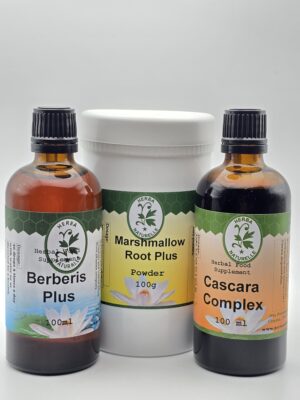 Digestive reset bundle
Original price was: £151.65.£144.95Current price is: £144.95.
Digestive reset bundle
Original price was: £151.65.£144.95Current price is: £144.95.
-
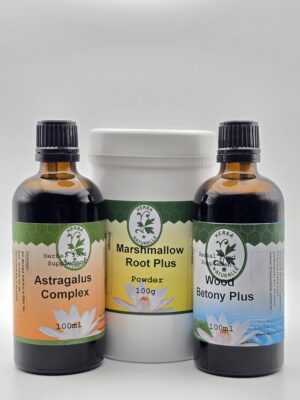 Smooth muscle and immune reset Bundle
Original price was: £177.60.£159.95Current price is: £159.95.
Smooth muscle and immune reset Bundle
Original price was: £177.60.£159.95Current price is: £159.95.
-
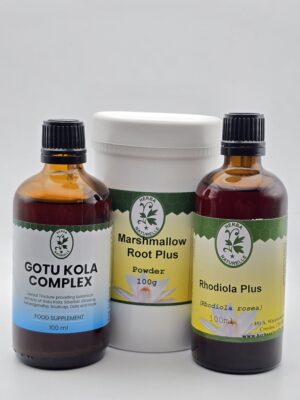 Nervous System Reset
Original price was: £163.68.£149.95Current price is: £149.95.
Nervous System Reset
Original price was: £163.68.£149.95Current price is: £149.95.
-
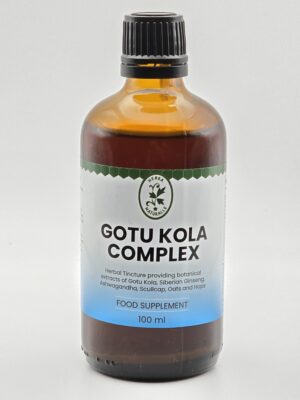 Gotu Kola Complex
£26.95
Gotu Kola Complex
£26.95