Horopito (Pseudowintera colorata): New Zealand’s Medicinal Pepper Tree
Horopito — Pseudowintera colorata — is a small tree endemic to New Zealand, found in the native beech forests of the North and South Islands. With its distinctive red-blotched, pepper-tasting leaves, Horopito holds a special place in Māori traditional medicine (rongoā Māori), where it has been used for centuries for toothache, skin infections, pain relief, and as a treatment for venereal disease. Its modern clinical significance rests primarily on its exceptional concentration of polygodial — a sesquiterpene dialdehyde with one of the most potent antifungal activities documented in the plant kingdom.
At Herba Naturalle, Horopito is listed in the comprehensive herb index as a specialist antifungal and analgesic herb — one of the most intriguing examples of indigenous plant medicine validated by modern pharmacology.
Active Compounds
- Polygodial — the primary active compound; an unsaturated sesquiterpene dialdehyde that is one of the most potent natural antifungal compounds known; inhibits fungal ergosterol synthesis and membrane function; also activates TRPA1 pain receptors (hence the peppery, burning sensation) producing local analgesic effects
- Polygodial acetate — contributing to the overall antifungal activity
- Anthocyanins — responsible for the distinctive red leaf blotching; antioxidant
Clinical Applications
Candida Overgrowth and Antifungal
The primary and most well-evidenced application. Polygodial demonstrates MIC (minimum inhibitory concentration) values against Candida albicans and other Candida species that rival or exceed many pharmaceutical antifungals — including some azole antifungals to which resistance has developed. Used clinically for:
- Gastrointestinal Candida overgrowth
- Vaginal candidiasis
- Oral candidiasis (thrush)
- Skin fungal infections
Particularly relevant in an era of increasing antifungal drug resistance.
Dental and Oral Pain
The TRPA1-activating property of polygodial produces local analgesic effects — the traditional Māori use of Horopito bark for toothache has a pharmacological basis in this receptor-mediated local anaesthesia.
Respiratory Infections
Traditional Māori use for respiratory infections — the antimicrobial and anti-inflammatory properties of polygodial are relevant in this context. The Lungwort Plus provides complementary respiratory support.
Anti-inflammatory
Polygodial inhibits NF-κB — providing systemic anti-inflammatory activity alongside its direct antimicrobial application.
How to Use
- Standardised extract (containing polygodial): As directed by product standardisation
- Tincture: 2–4ml twice daily
- Topical: Diluted preparations applied to affected skin areas for fungal infections
Safety
- Generally well tolerated at therapeutic doses
- Mucous membrane irritation: The peppery, burning quality of polygodial means topical preparations can cause irritation — dilute appropriately
- Pregnancy: Insufficient safety data — best avoided
- Gastric sensitivity: May cause mild GI irritation in sensitive individuals
Contact Herba Naturalle for antifungal and infection herbal support. Browse all products and the full herb index.
This article is for informational purposes only. Please consult a qualified medical herbalist before use.
Our Trending Products & Bundles
-
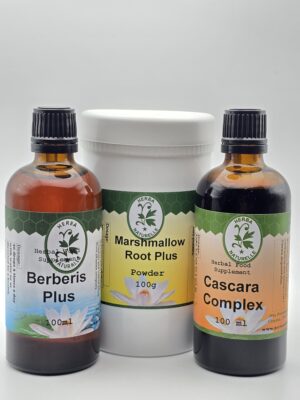 Digestive reset bundle
Original price was: £151.65.£144.95Current price is: £144.95.
Digestive reset bundle
Original price was: £151.65.£144.95Current price is: £144.95.
-
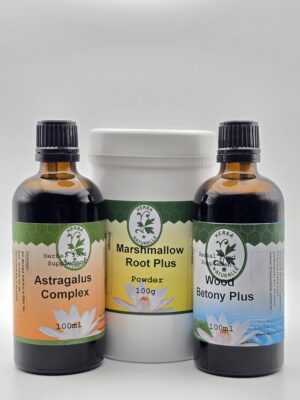 Smooth muscle and immune reset Bundle
Original price was: £177.60.£159.95Current price is: £159.95.
Smooth muscle and immune reset Bundle
Original price was: £177.60.£159.95Current price is: £159.95.
-
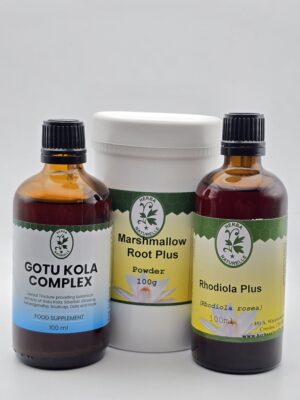 Nervous System Reset
Original price was: £163.68.£149.95Current price is: £149.95.
Nervous System Reset
Original price was: £163.68.£149.95Current price is: £149.95.
-
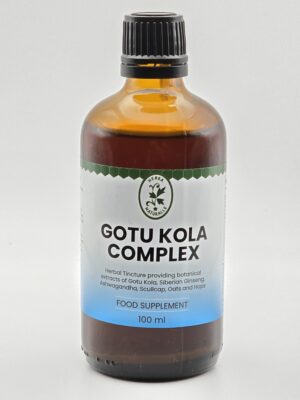 Gotu Kola Complex
£26.95
Gotu Kola Complex
£26.95