Gravel Root (Eupatorium purpureum): The Kidney Stone Herb
Gravel Root — Eupatorium purpureum — is a tall, majestic North American perennial, known in its native range as Joe Pye Weed (after a Native American healer who reportedly used it to treat typhoid fever). Its primary medicinal application in Western herbal practice is as a specific herb for urinary gravel and kidney stones — the “gravel” of its common name referring to the fine, gritty urinary deposits that precede fully formed kidney stones. Used extensively by the Eclectic physicians and Native American healers, Gravel Root has a focused but genuinely useful clinical niche in the urinary herbal materia medica.
At Herba Naturalle, Gravel Root is listed in the comprehensive herb index as a specialist urinary herb — complementing the Couch Grass Complex and Cornsilk Plus for comprehensive urinary tract support.
Active Compounds
- Euparin — a benzofuran compound with anti-inflammatory, antimicrobial, and diuretic activity
- Resin and volatile oil — contributing to the diuretic and antimicrobial action
- Flavonoids — with antioxidant and anti-inflammatory properties
- Tannins — mild astringent action
Clinical Applications
Kidney Stones and Urinary Gravel
The primary application. Gravel Root acts through multiple mechanisms: increased urine production dilutes crystal-forming mineral concentrations; diuretic flushing supports the passage of small stones and gravel; and anti-inflammatory action reduces the urothelial irritation associated with stone passage. Used preventively in people with recurrent kidney stone formation and therapeutically to support the passage of urinary gravel.
Gout
The diuretic action promotes uric acid excretion — complementing the uricosuric flavonoid action of Celery Seed for gout management.
Urinary Tract Infections
The diuretic, antimicrobial (euparin), and anti-inflammatory properties make Gravel Root relevant in recurrent UTI prevention and supportive treatment.
Rheumatic Conditions with Renal Involvement
Where rheumatic pain is accompanied by inadequate renal uric acid clearance — Gravel Root’s dual diuretic and anti-rheumatic action addresses both.
How to Use
- Tincture (1:3): 3–5ml three times daily
- Decoction: 2–4g dried root simmered 15 minutes; 2–3 cups daily
- Increase water intake significantly during use
Safety
- Pyrrolizidine alkaloids: Present in trace amounts — restrict to short courses; avoid in liver disease
- Pregnancy: Contraindicated
- Kidney disease: Professional guidance required
Contact Herba Naturalle for kidney and urinary herbal support. Browse all products and the full herb index.
This article is for informational purposes only. Kidney stones require medical assessment — please see your GP.
Our Trending Products & Bundles
-
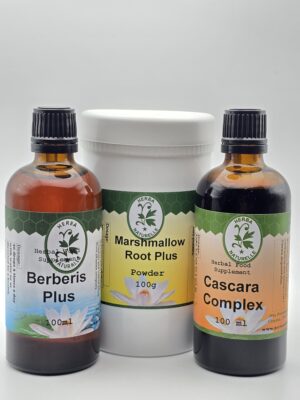 Digestive reset bundle
Original price was: £151.65.£144.95Current price is: £144.95.
Digestive reset bundle
Original price was: £151.65.£144.95Current price is: £144.95.
-
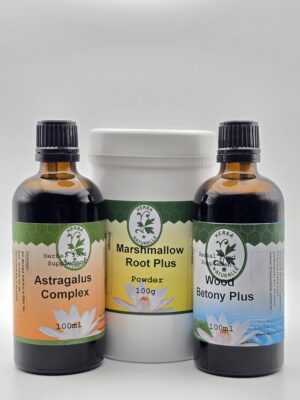 Smooth muscle and immune reset Bundle
Original price was: £177.60.£159.95Current price is: £159.95.
Smooth muscle and immune reset Bundle
Original price was: £177.60.£159.95Current price is: £159.95.
-
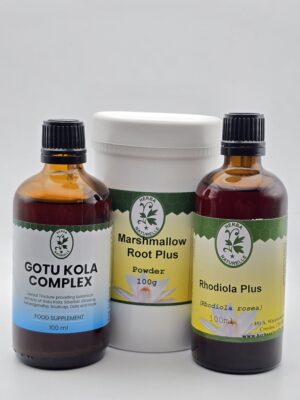 Nervous System Reset
Original price was: £163.68.£149.95Current price is: £149.95.
Nervous System Reset
Original price was: £163.68.£149.95Current price is: £149.95.
-
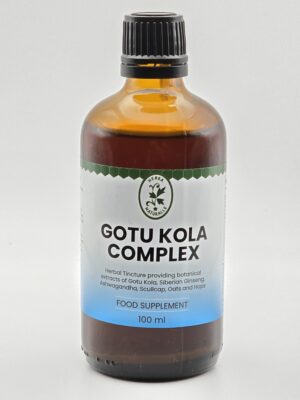 Gotu Kola Complex
£26.95
Gotu Kola Complex
£26.95