Grindelia Herb (Grindelia camporum): The Resinous Respiratory Herb
Grindelia — Grindelia camporum — is a resinous, aromatic herb native to the western plains and coastal regions of North America. Its flower heads produce a distinctive sticky, white latex that gives the plant its common name “gumweed,” and it is this resinous quality that characterises much of its clinical activity. Used extensively by Native American peoples of the Pacific Northwest for respiratory conditions and skin problems, Grindelia was adopted into the Eclectic physician tradition as a specific herb for bronchial spasm, asthmatic coughs, and the topical relief of poison ivy contact dermatitis.
At Herba Naturalle, Grindelia Herb is listed in the comprehensive herb index as a specialist respiratory and topical herb — complementing the Lungwort Plus for comprehensive lower respiratory support.
Active Compounds
- Resin acids (grindelol and related compounds) — the primary active compounds; expectorant, bronchodilatory, and antimicrobial
- Diterpene acids — anti-inflammatory and antispasmodic on bronchial smooth muscle
- Flavonoids — quercetin and luteolin; anti-inflammatory
- Saponins — contributing expectorant activity
- Volatile oil — with mild antimicrobial action
Clinical Applications
Asthma and Bronchial Spasm
The primary internal application. Grindelia’s diterpene and resin acids relax bronchial smooth muscle, reduce bronchial hypersecretion, and provide anti-inflammatory activity in the airway mucosa. Particularly indicated in:
- Asthmatic coughs with tight, spasmodic bronchial constriction
- Post-infectious bronchial hypersensitivity
- Dry, spasmodic cough accompanying bronchitis
Expectorant
The resin and saponin content promotes productive coughing by loosening and facilitating the movement of bronchial mucus — relevant in productive coughs with difficult-to-clear mucus.
Topical: Poison Ivy, Eczema, and Skin Irritation
The topical application of Grindelia is one of its most specific and immediately effective uses — the resinous, anti-inflammatory, and antimicrobial compounds provide rapid relief from:
- Poison ivy (urushiol) dermatitis
- Contact dermatitis
- Minor skin infections and wounds
- Eczema with weeping
Urinary Tract (Secondary Use)
Mild diuretic and antimicrobial action in the urinary tract — a secondary traditional application.
How to Use
- Tincture (1:3): 2–4ml three times daily for respiratory use
- Topical compress: Strong tincture diluted in water, or cooled strong tea applied as a compress to skin conditions
- Tea: 1–2g dried herb steeped 10 minutes; 2–3 cups daily
Safety
- Generally well tolerated at therapeutic doses
- Kidney disease: The resinous compounds may irritate damaged kidneys — avoid in renal impairment
- Pregnancy: Avoid
- Selenium accumulation: Grindelia grown in selenium-rich soils can accumulate selenium; source from reputable suppliers
Contact Herba Naturalle for respiratory herbal support. Browse all products and the full herb index.
This article is for informational purposes only. Please consult a qualified medical herbalist before use.
Our Trending Products & Bundles
-
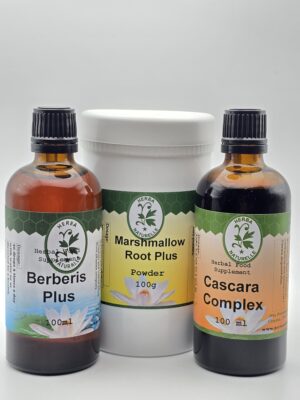 Digestive reset bundle
Original price was: £151.65.£144.95Current price is: £144.95.
Digestive reset bundle
Original price was: £151.65.£144.95Current price is: £144.95.
-
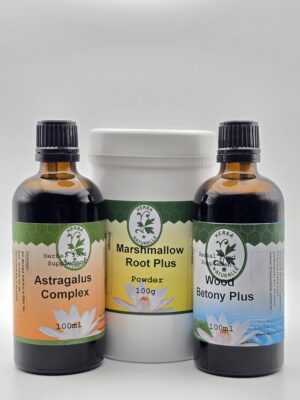 Smooth muscle and immune reset Bundle
Original price was: £177.60.£159.95Current price is: £159.95.
Smooth muscle and immune reset Bundle
Original price was: £177.60.£159.95Current price is: £159.95.
-
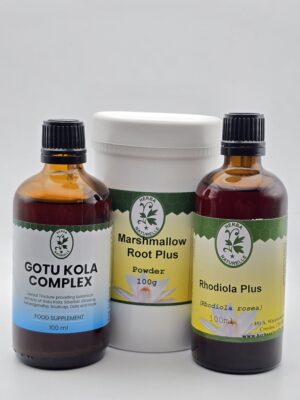 Nervous System Reset
Original price was: £163.68.£149.95Current price is: £149.95.
Nervous System Reset
Original price was: £163.68.£149.95Current price is: £149.95.
-
 Gotu Kola Complex
£26.95
Gotu Kola Complex
£26.95