Cramp Bark (Viburnum opulus): The Premier Antispasmodic
Cramp Bark — Viburnum opulus — is exactly what its name promises: one of the most reliable and clinically effective antispasmodic herbs in the Western materia medica. The guelder rose, as it is known in the hedgerow, produces striking white flower-heads, brilliant red berries, and a bark that has been used as a muscle and uterine relaxant in both Native American and European herbal medicine for centuries. In the tradition of Western clinical herbalism, Cramp Bark occupies a nearly irreplaceable position as the primary herb for smooth muscle spasm — wherever smooth muscle is contracting excessively and causing pain, Cramp Bark is among the first herbs to consider.
At Herba Naturalle, Cramp Bark is listed in the comprehensive herb index as a primary antispasmodic — directly relevant to the smooth muscle lining framework at the centre of Anjela Jeganathan’s clinical approach. The Smooth Muscle and Immune Reset Bundle addresses the deeper inflammatory component of smooth muscle dysfunction.
Active Compounds
- Scopoletin — a coumarin with direct smooth muscle relaxant effects; inhibits calcium influx into smooth muscle cells, reducing contractility
- Viopudial — a valerenic acid analogue with antispasmodic and sedative-like activity
- Isovaleric acid — contributing to the sedative and antispasmodic effects
- Tannins — astringent; secondary contribution
- Salicin derivatives — mild anti-inflammatory
Clinical Applications
Dysmenorrhoea (Painful Periods)
The most celebrated application. Cramp Bark directly relaxes the uterine smooth muscle that contracts excessively in spasmodic dysmenorrhoea — the colicky, cramping period pain that can be debilitating. Multiple clinical herbalists and systematic reviews of clinical herbal practice consistently place Cramp Bark as the most effective single herb for this presentation. Used alone or with Black Haw (Viburnum prunifolium), Ginger, and Jamaican Dogwood for comprehensive dysmenorrhoea management. The Shatavari Complex provides broader female reproductive support.
Threatened Miscarriage
Historically used by midwives and Eclectic physicians for threatened miscarriage with uterine cramping and bleeding — the antispasmodic action reduces uterine contractility. Always under professional obstetric and herbalist supervision.
IBS and Intestinal Colic
The antispasmodic action extends to the intestinal smooth muscle — Cramp Bark is used for IBS with predominant cramping, intestinal colic, and the urgent, spasmodic bowel movements of IBS-D. The Digestive Reset Bundle addresses the broader digestive pattern.
Muscle Spasm and Tension
General smooth and skeletal muscle spasm — back muscle tension, leg cramps, and the tension headache of muscular origin — all respond to Cramp Bark’s antispasmodic action.
Hypertension with Vascular Spasm
Scopoletin’s calcium channel-blocking mechanism produces vasodilatory effects — reducing vascular smooth muscle spasm and contributing to blood pressure reduction.
How to Use
- Tincture (1:3): 4–8ml every 2–3 hours for acute cramping; 3–5ml three times daily for longer-term use
- Decoction: 2–4g dried bark simmered 15 minutes; 3 cups daily
- For acute dysmenorrhoea: start 2–3 days before expected period; continue throughout
Safety
- Well tolerated with an excellent safety record
- Pregnancy: Paradoxically, Cramp Bark is used for threatened miscarriage prevention — however, always under qualified supervision; do not self-prescribe in pregnancy
- Salicylate sensitivity: Minor salicin content — monitor if sensitive
- Anticoagulants: Coumarin scopoletin — mild interaction; professional guidance alongside warfarin
Contact Herba Naturalle for personalised antispasmodic and reproductive herbal support. Browse all products and the full herb index.
This article is for informational purposes only. Please consult a qualified medical herbalist before use.
Our Trending Products & Bundles
-
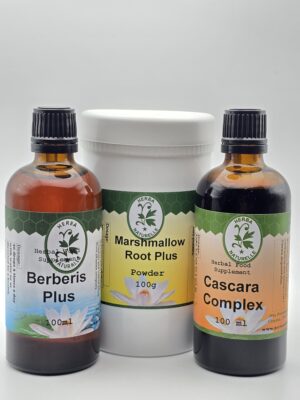 Digestive reset bundle
Original price was: £151.65.£144.95Current price is: £144.95.
Digestive reset bundle
Original price was: £151.65.£144.95Current price is: £144.95.
-
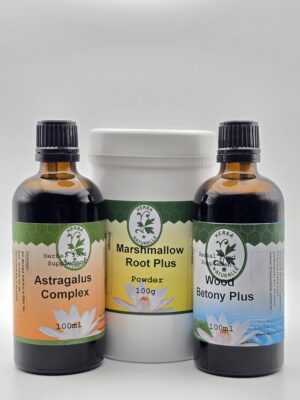 Smooth muscle and immune reset Bundle
Original price was: £177.60.£159.95Current price is: £159.95.
Smooth muscle and immune reset Bundle
Original price was: £177.60.£159.95Current price is: £159.95.
-
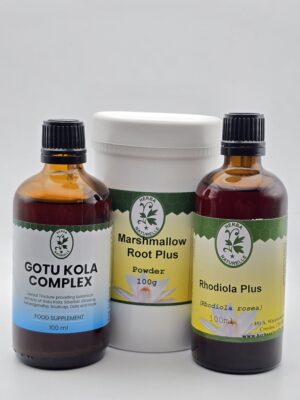 Nervous System Reset
Original price was: £163.68.£149.95Current price is: £149.95.
Nervous System Reset
Original price was: £163.68.£149.95Current price is: £149.95.
-
 Gotu Kola Complex
£26.95
Gotu Kola Complex
£26.95