Cinnamon Bark (Cinnamomum zeylanicum): The Blood Sugar and Circulation Spice
Cinnamon Bark — Cinnamomum zeylanicum (Ceylon or True Cinnamon) — is one of the oldest and most globally used medicinal spices in recorded history. Found in ancient Egyptian manuscripts, mentioned in the Old Testament, and traded across the ancient spice routes at enormous value, cinnamon has been valued as much for its medicine as for its flavour. In the modern evidence base, it has accumulated one of the most substantial clinical records of any culinary spice — particularly for blood sugar regulation, where it rivals several pharmaceutical interventions for mild-to-moderate type 2 diabetes management.
At Herba Naturalle, Cinnamon Bark is listed in the comprehensive herb index as a metabolic and digestive herb of clinical significance — one whose blood-glucose-lowering, circulatory-warming, and digestive-stimulating properties place it squarely within the clinical approach of addressing root physiological causes.
Ceylon vs Cassia: An Important Distinction
Ceylon Cinnamon (C. zeylanicum) — lower in coumarin; considered safer for long-term use; the clinically preferred form.
Cassia Cinnamon (C. aromaticum or C. cassia) — the most common supermarket variety; higher in coumarin (a hepatotoxic compound at high doses); safe in culinary quantities but not for long-term supplementation.
Always choose Ceylon Cinnamon (C. zeylanicum or C. verum) for clinical supplementation.
Active Compounds
- Cinnamaldehyde — the primary volatile compound; responsible for the characteristic scent and the primary antimicrobial, antifungal, and anti-inflammatory activity
- Proanthocyanidins (type A) — the compounds most responsible for insulin-sensitising activity; they mimic insulin signalling and enhance glucose transporter expression
- Eugenol — analgesic, antimicrobial, anti-inflammatory
- Cinnamic acid derivatives — antioxidant and anti-inflammatory
- Coumarin — present in much lower concentrations in Ceylon than Cassia
Clinical Evidence and Applications
Blood Sugar Regulation
The most extensively studied application. Multiple RCTs demonstrate that cinnamon supplementation reduces fasting blood glucose, post-meal glucose, and HbA1c in people with type 2 diabetes and pre-diabetes. The mechanisms are well understood: proanthocyanidins enhance insulin receptor sensitivity, and cinnamaldehyde inhibits intestinal glucosidases (slowing starch digestion). Meta-analyses confirm consistent, meaningful effects.
Cardiovascular Support
Cinnamon reduces LDL cholesterol, triglycerides, and blood pressure in several clinical trials — contributing to a favourable cardiovascular risk profile. Cinnamaldehyde promotes vasodilation and improves blood flow. The Smooth Muscle and Immune Reset Bundle addresses the deeper vascular smooth muscle inflammation.
Antimicrobial
Cinnamaldehyde has broad-spectrum antimicrobial activity — active against gut pathogens, H. pylori, Candida, and several antibiotic-resistant bacteria. Relevant in gut dysbiosis and the digestive support provided by the Berberis Plus.
Digestive Warming Tonic
As a warming aromatic carminative, Cinnamon Bark stimulates digestive secretions, relieves flatulence, and is used for cold, sluggish digestive presentations. The Digestive Reset Bundle provides the broader digestive programme.
Anti-inflammatory and Antioxidant
The polyphenol content provides systemic antioxidant and anti-inflammatory effects relevant to the management of chronic inflammatory conditions.
How to Use
- Powder: ¼–1 teaspoon daily added to food, porridge, or drinks
- Standardised extract: 125–500mg standardised extract (Ceylon) daily
- Tincture (1:3): 2–4ml twice daily
- Tea: 1 cinnamon stick or 1–2g bark steeped in boiling water 10–15 minutes
Safety
- Ceylon vs Cassia: Always use Ceylon for supplementation — Cassia at high doses may cause liver toxicity due to coumarin
- Blood glucose medication: May enhance hypoglycaemic effects — monitor blood glucose
- Pregnancy: Culinary amounts safe; high doses may stimulate uterine contractions
- Anticoagulants: Mild interaction possible
Contact Herba Naturalle for metabolic herbal support. Browse the full herb index, herbal philosophy, and all products.
This article is for informational purposes only. Please consult a qualified medical herbalist before use.
Our Trending Products & Bundles
-
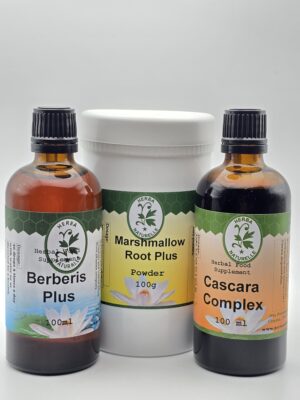 Digestive reset bundle
Original price was: £151.65.£144.95Current price is: £144.95.
Digestive reset bundle
Original price was: £151.65.£144.95Current price is: £144.95.
-
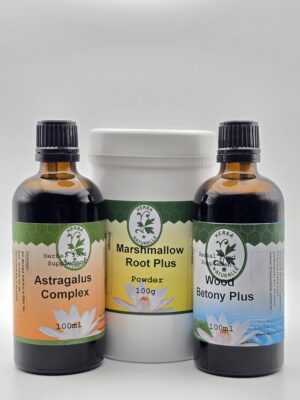 Smooth muscle and immune reset Bundle
Original price was: £177.60.£159.95Current price is: £159.95.
Smooth muscle and immune reset Bundle
Original price was: £177.60.£159.95Current price is: £159.95.
-
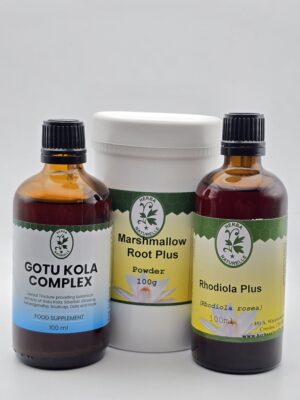 Nervous System Reset
Original price was: £163.68.£149.95Current price is: £149.95.
Nervous System Reset
Original price was: £163.68.£149.95Current price is: £149.95.
-
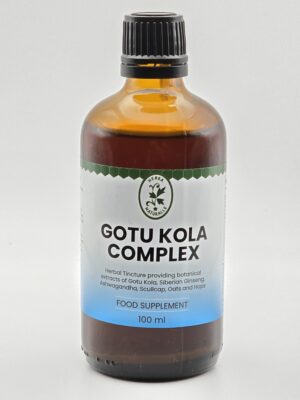 Gotu Kola Complex
£26.95
Gotu Kola Complex
£26.95