Cilantro (Coriandrum sativum): The Detox and Digestive Herb
Cilantro — the leaf form of Coriandrum sativum, the same plant whose seeds we know as coriander — is one of the world’s most widely used culinary herbs, found in cuisines from South Asia and the Middle East to Mexico and South-East Asia. Yet beneath its familiar presence in the kitchen, Cilantro carries a medicinal profile of genuine clinical significance — particularly in the areas of heavy metal chelation, digestive support, antimicrobial activity, and blood sugar regulation.
At Herba Naturalle, Cilantro is listed in the comprehensive 224-herb index as a herb whose everyday food status should not obscure its genuine clinical utility — particularly in the context of detoxification and digestive health that sits at the heart of Anjela Jeganathan’s clinical approach.
Botanical Identity
Coriandrum sativum is an annual herb of the Apiaceae family, native to South-West Asia and the Mediterranean. The plant produces delicate feathery lower leaves — the culinary cilantro — and smaller upper leaves, followed by globular seeds (coriander). All parts are aromatic, though the leaf and seed have markedly different scent profiles. The fresh or dried aerial herb is the medicinal part for the applications discussed here.
Active Compounds
- Volatile oil — linalool (the dominant component in the leaf, responsible for the distinctive aroma), alpha-pinene, limonene, and geraniol
- Polyphenols — quercetin, kaempferol, rutin, and caffeic acid derivatives; antioxidant and anti-inflammatory
- Aldehydes — (E)-2-dodecenal and related compounds with strong antimicrobial activity
- Phytol and tocopherols — antioxidant and lipid-protective
Clinical Applications
Heavy Metal Chelation and Detoxification
The most discussed — and most clinically interesting — application of Cilantro in integrative medicine is its ability to mobilise heavy metals from tissues. Research published in peer-reviewed journals has demonstrated that Cilantro leaf extract can mobilise mercury, lead, cadmium, and aluminium from tissues into the bloodstream for excretion. This is a genuine pharmacological effect, not a wellness myth, and the mechanism appears to involve the binding of aldehyde compounds to heavy metal ions. Cilantro is often used in detoxification protocols alongside chlorella (a green algae that binds and eliminates the mobilised metals in the gut — the chelating “escort”).
At Herba Naturalle, detoxification is understood as requiring adequate digestive and elimination capacity — making the Digestive Reset Bundle and Schizandra Complex important supports during any heavy metal detoxification protocol.
Digestive Support
Cilantro is a carminative — its volatile oil relaxes intestinal smooth muscle, relieving gas, bloating, and intestinal spasm. It has traditional use for dyspepsia, flatulence, and nausea across multiple cultural traditions. The Berberis Plus provides complementary digestive bitter and bile-stimulating support.
Antimicrobial
The aldehyde compounds of Cilantro — particularly (E)-2-dodecenal — have documented broad-spectrum antimicrobial activity against bacteria including Salmonella, E. coli, Staphylococcus aureus, and Candida albicans. This supports its traditional use in food preservation and its application in gut dysbiosis.
Blood Sugar Regulation
Multiple studies demonstrate blood-glucose-lowering effects of Cilantro preparations — relevant in type 2 diabetes and metabolic syndrome management.
Anxiolytic
Clinical research in animal models and preliminary human studies suggests that Cilantro extract has GABA-receptor-mediated anxiolytic effects — supporting its traditional use in Middle Eastern medicine for anxiety and sleep. Complementary to the Nervous System Reset Bundle.
How to Use
- Fresh herb: Generous dietary use — add to meals, smoothies, and juices daily
- Juice: Fresh Cilantro juiced with apple or cucumber; 30–60ml daily
- Tincture (1:3): 2–4ml three times daily
- Tea: 2g fresh or dried herb steeped 10 minutes; 2–3 cups daily
Safety
Cilantro is food-safe and extremely well tolerated. Considerations:
- Apiaceae allergy: Cross-reactivity with fennel, carrot, celery — rare
- Blood-thinning medications: Mild antiplatelet activity — professional guidance alongside anticoagulants
- Heavy metal detox protocols: Mobilising heavy metals without adequate elimination support can cause redistribution — always use alongside a chelating agent and ensure bowel regularity
Explore the full herb index, the herbal medicine philosophy, and contact Herba Naturalle for personalised detoxification and digestive support. Browse the complete product range.
This article is for informational purposes only. Please consult a qualified medical herbalist before use.
Our Trending Products & Bundles
-
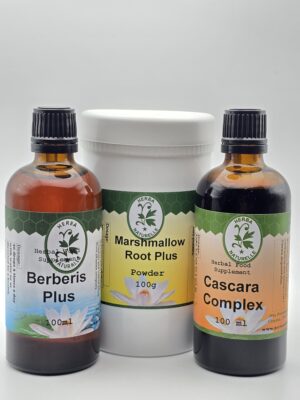 Digestive reset bundle
Original price was: £151.65.£144.95Current price is: £144.95.
Digestive reset bundle
Original price was: £151.65.£144.95Current price is: £144.95.
-
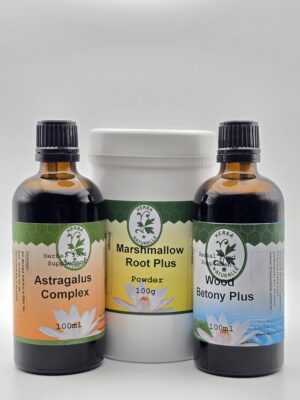 Smooth muscle and immune reset Bundle
Original price was: £177.60.£159.95Current price is: £159.95.
Smooth muscle and immune reset Bundle
Original price was: £177.60.£159.95Current price is: £159.95.
-
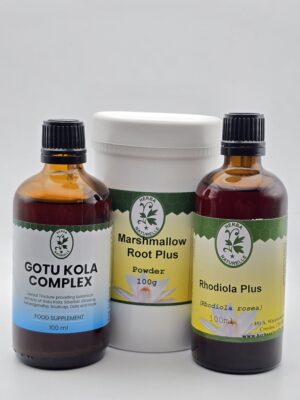 Nervous System Reset
Original price was: £163.68.£149.95Current price is: £149.95.
Nervous System Reset
Original price was: £163.68.£149.95Current price is: £149.95.
-
 Gotu Kola Complex
£26.95
Gotu Kola Complex
£26.95