Boldo Leaf (Peumus boldo): The South American Liver Herb
Boldo — Peumus boldo — is a small evergreen tree native to the Andean slopes of Chile and Peru, whose aromatic leaves have been used medicinally by indigenous South American peoples for thousands of years. In European herbal medicine, Boldo has been used since the 19th century primarily as a liver and gallbladder herb — one of the most specific and effective plant medicines for stimulating bile production, supporting hepatic detoxification, and relieving the digestive discomfort associated with sluggish liver function.
At Herba Naturalle, Boldo Leaf is included in the comprehensive 224-herb index as a hepatic bitter of significant clinical value — one whose specific affinity for the liver and gallbladder makes it a targeted tool in the digestive and liver support protocols central to Anjela Jeganathan’s clinical approach.
Botanical Identity
Peumus boldo is the sole species of its genus and family (Monimiaceae), a testament to its botanical uniqueness. The tree grows to 6 metres, with distinctive rough, grey-green leaves that are strongly aromatic — releasing a camphor-like, slightly turpentine scent when crushed. The leaves are the medicinal part, used fresh or dried in tinctures, teas, and standardised extracts.
Active Compounds
- Boldine — the primary alkaloid; a potent antioxidant, anti-inflammatory, choleretic, and hepatoprotective compound. One of the most bioactive plant alkaloids known.
- Other alkaloids — isoboldine, norisocorydine, laurolitsine, and reticuline
- Volatile oil — ascaridole (potentially toxic at high concentrations), p-cymene, limonene, and cineole; contributing the aromatic character and some of the digestive activity
- Flavonoids — with antioxidant and anti-inflammatory effects
- Tannins — contributing mild astringent activity
Clinical Applications
Liver and Gallbladder Support
Boldo’s primary indication is hepatobiliary dysfunction — the spectrum of sluggish liver and gallbladder function that contributes to poor fat digestion, bloating after fatty meals, right-sided upper abdominal discomfort, and general digestive heaviness. Boldine directly stimulates bile synthesis in the liver and promotes its secretion into the digestive system, improving the thoroughness of fat digestion and the overall flow of the hepatobiliary system.
The Berberis Plus from Herba Naturalle provides complementary bile-stimulating and digestive bitter activity, and the Digestive Reset Bundle addresses the broader digestive programme in which Boldo’s liver action is most effective.
Digestive Complaints
As a digestive bitter, Boldo stimulates gastric and pancreatic secretions — improving appetite, the completeness of digestion, and the relief of post-meal bloating. It is used for dyspepsia, flatulence, nausea, and the digestive heaviness of hepatic congestion.
Urinary Tract Support
Boldo has mild diuretic and urinary antiseptic properties — used in traditional South American medicine for urinary tract infections and kidney support alongside its hepatic applications. The Cornsilk Plus provides complementary urinary mucosal support.
Liver Protection
Boldine is one of the most potent natural antioxidants identified in plant medicine, with liver-protective effects in multiple experimental models. It reduces oxidative stress in hepatic tissue, inhibits lipid peroxidation, and protects hepatocytes from toxic damage.
Preparation and Dosage
- Tea: 1–2g dried leaf steeped 10 minutes; 1 cup before meals — best used as a short-course remedy due to the volatile oil content
- Tincture (1:5): 1–2ml three times daily before meals
- Standardised dry extract: As directed by manufacturer
⚠ Safety Considerations
- Pregnancy and breastfeeding: Contraindicated — boldine has uterine-stimulating activity
- Bile duct obstruction or gallstones: Use only under professional supervision
- Kidney disease: High-dose volatile oil content may irritate kidneys — use therapeutic doses short-term only
- Prolonged use: Not recommended for extended periods due to ascaridole in the volatile oil
- Anticoagulants: Mild interaction possible — professional guidance recommended
Explore the full materia medica in the Herba Naturalle herb index and read about the philosophy of herbal medicine that guides clinical practice. Browse the complete product range or contact the clinic for personalised liver and digestive herbal support.
This article is for informational purposes only and does not constitute medical advice. Please consult your GP or a qualified medical herbalist before using herbal medicines.
Our Trending Products & Bundles
-
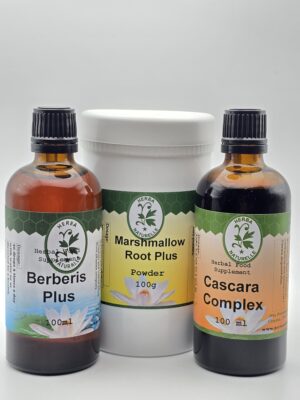 Digestive reset bundle
Original price was: £151.65.£144.95Current price is: £144.95.
Digestive reset bundle
Original price was: £151.65.£144.95Current price is: £144.95.
-
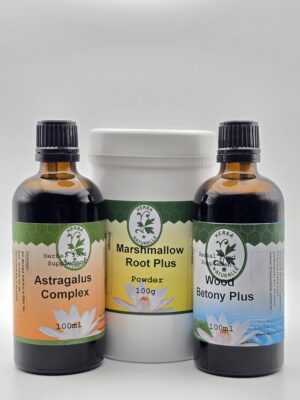 Smooth muscle and immune reset Bundle
Original price was: £177.60.£159.95Current price is: £159.95.
Smooth muscle and immune reset Bundle
Original price was: £177.60.£159.95Current price is: £159.95.
-
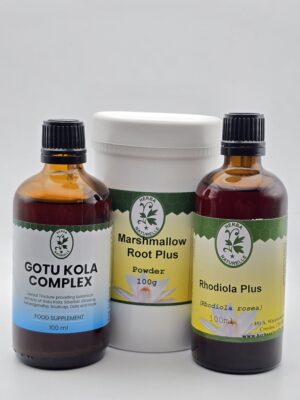 Nervous System Reset
Original price was: £163.68.£149.95Current price is: £149.95.
Nervous System Reset
Original price was: £163.68.£149.95Current price is: £149.95.
-
 Gotu Kola Complex
£26.95
Gotu Kola Complex
£26.95