Bakuchi (Psoralea corylifolia): Ayurveda’s Skin Medicine
Bakuchi — Psoralea corylifolia — is one of the most distinctive herbs in the Ayurvedic materia medica, known primarily for its remarkable traditional application in skin conditions characterised by loss of pigmentation — vitiligo being the most prominent — and for its warming, tonifying action on the kidneys and reproductive system. It is the original source of psoralen — the furocoumarin compound that lent its name to the PUVA (psoralen + UVA) phototherapy treatment used in conventional dermatology for vitiligo, psoriasis, and eczema.
At Herba Naturalle, Bakuchi sits in the comprehensive herb index as a specialist Ayurvedic herb with specific dermatological and tonic applications requiring careful clinical understanding.
Botanical Identity
Psoralea corylifolia is an annual herb of the Fabaceae family, native to the Indian subcontinent and widely cultivated in tropical and subtropical regions. It grows to 30–150cm, with small oval leaves, clusters of blue-purple flowers, and distinctive rounded, black seeds enclosed in a pod. The seeds (Bakuchi beeja) are the primary medicinal part — also called Babchi seeds — though the whole plant has traditional applications.
Active Compounds
- Psoralens (furocoumarins): Psoralen, isopsoralen, bakuchicin — directly stimulate melanin production when activated by ultraviolet light; also have immunomodulatory and anti-inflammatory effects
- Bakuchiol — a meroterpene phenol with significant research interest for skin applications; antioxidant, anti-inflammatory, and antibacterial
- Flavonoids: Bavachin, corylifolin, and neobavaisoflavone — with oestrogenic, anti-inflammatory, and bone-protective activity
- Fixed oil: Containing oleic and linoleic acids
Clinical Applications
Vitiligo: The most documented application. Psoralen photosensitises melanocytes to UVA light, stimulating repigmentation. Topical Bakuchi oil applied before sunlight exposure or controlled UVA light is a classical Ayurvedic treatment for vitiligo — the origin of modern PUVA therapy.
Psoriasis and eczema: Both topical and internal use of Bakuchi preparations have traditional application in scaling inflammatory skin conditions, mediated through anti-inflammatory and immune-modulating mechanisms.
Kidney and reproductive tonic: In Ayurvedic medicine, Bakuchi is classified as a vrishya (aphrodisiac) and kidney tonic — used for sexual debility, premature ejaculation, leucorrhoea, and general reproductive weakness. The flavonoid content includes phyto-oestrogenic compounds relevant to this application.
Bone health: Emerging research shows that Bakuchi flavonoids (particularly bavachin and neobavaisoflavone) promote osteoblast activity and bone mineralisation — relevant to osteoporosis prevention and post-menopausal bone loss.
Antimicrobial: Bakuchicin and psoralen have documented antimicrobial activity including anti-fungal effects.
Important Safety Considerations
Bakuchi requires more careful use than many herbs due to its furocoumarin content:
- Photosensitivity: Topical use significantly increases UV sensitivity — avoid sun exposure after topical application except as directed for vitiligo treatment
- Pregnancy: Contraindicated
- Internal use at high doses: Can cause nausea, gastric irritation, and liver stress
- Professional guidance strongly recommended for internal therapeutic use
The Shatavari Complex from Herba Naturalle provides female reproductive tonic support; the Gokshura Ashwagandha Plus addresses male vitality. For enquiries about specialised herb use, contact Herba Naturalle. The about herbal medicine page explains the practitioner-led approach. Browse all products.
This article is for informational purposes only. Bakuchi should be used internally under professional supervision only.
Our Trending Products & Bundles
-
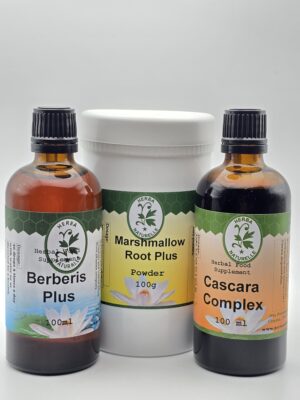 Digestive reset bundle
Original price was: £151.65.£144.95Current price is: £144.95.
Digestive reset bundle
Original price was: £151.65.£144.95Current price is: £144.95.
-
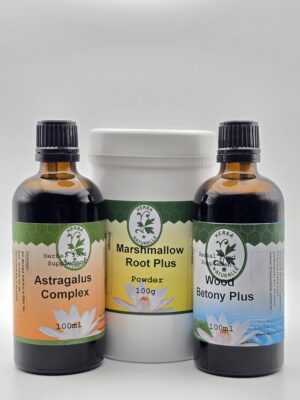 Smooth muscle and immune reset Bundle
Original price was: £177.60.£159.95Current price is: £159.95.
Smooth muscle and immune reset Bundle
Original price was: £177.60.£159.95Current price is: £159.95.
-
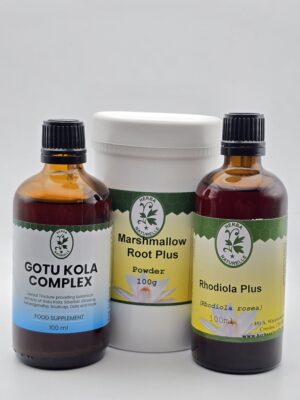 Nervous System Reset
Original price was: £163.68.£149.95Current price is: £149.95.
Nervous System Reset
Original price was: £163.68.£149.95Current price is: £149.95.
-
 Gotu Kola Complex
£26.95
Gotu Kola Complex
£26.95