Bai Shao Yao (Paeonia lactiflora): White Peony Root
Bai Shao Yao — the processed root of Paeonia lactiflora, the White Peony — is one of the most used herbs in Traditional Chinese Medicine and one with a growing body of evidence supporting its clinical applications in Western herbal practice. Known as a blood-nourishing, liver-soothing, and pain-relieving herb in TCM terms, its Western pharmacological profile reveals anti-inflammatory, antispasmodic, immune-modulating, and hormonally-relevant mechanisms that explain its wide clinical utility.
At Herba Naturalle, Bai Shao Yao sits in the comprehensive herb index alongside other great female tonic and liver herbs. Its particular relevance lies in reproductive health, pain conditions, and the liver-hormone connection that underpins many hormonal health presentations.
Botanical Identity
Paeonia lactiflora is a beautiful long-lived perennial with large, fragrant white-to-pink flowers, native to Siberia, Northern China, and Mongolia. The medicinal root is specifically the processed form — boiled or steamed and then dried — which differentiates it from the raw root (Chi Shao Yao, used for different indications in TCM). The processing transforms the chemistry and clinical character of the root significantly.
Active Compounds
- Paeoniflorin — the primary active compound; a monoterpene glycoside with antispasmodic, anti-inflammatory, analgesic, and immunomodulatory properties
- Albiflorin and oxypaeoniflorin — related monoterpenes with complementary actions
- Paeonol — a phenolic with anti-inflammatory and antimicrobial activity
- Gallic acid and methyl gallate — antioxidant and anti-inflammatory polyphenols
- Polysaccharides — immune-modulating compounds
Clinical Applications
Female reproductive health: Bai Shao Yao is one of the most important herbs in TCM gynaecological practice. It is used for:
- Painful periods (dysmenorrhoea) — paeoniflorin’s antispasmodic action on uterine smooth muscle reduces cramping
- Irregular menstrual cycles — its liver-regulating action in TCM terms supports the smooth flow of Qi and Blood through the reproductive system
- PCOS — emerging research shows paeoniflorin may reduce testosterone levels in women with PCOS and improve insulin sensitivity
- Amenorrhoea — used in classical formulas to restore menstrual flow
The Shatavari Complex at Herba Naturalle provides complementary female tonic support.
Liver support: In TCM, Bai Shao Yao “smooths Liver Qi” — Western pharmacology reveals anti-inflammatory action on hepatic tissue, protection against liver toxicity, and support for hepatocyte function. It is used for liver conditions with spasm, cramping, and the emotional volatility that TCM associates with Liver Qi stagnation.
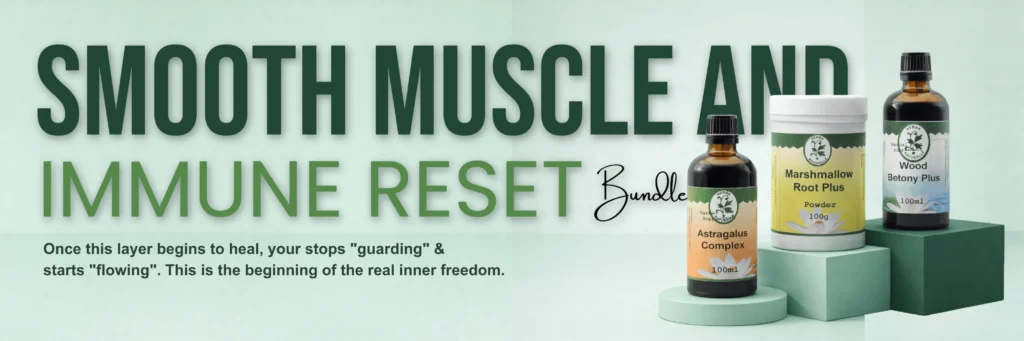
Muscle spasm and pain: The antispasmodic action extends beyond the uterus — Bai Shao Yao is used for smooth and skeletal muscle spasm including abdominal cramps, leg cramps, back spasm, and headache with tension. The Smooth Muscle and Immune Reset Bundle targets smooth muscle inflammation more broadly.
Immune modulation: Paeoniflorin has documented immunomodulatory effects — relevant in autoimmune conditions where excessive immune activation drives tissue damage.
Nervous system: Research into paeoniflorin’s effects on the nervous system shows neuroprotective, anxiolytic, and anti-depressant activity in experimental models — supporting its traditional TCM application in emotional tension and anxiety.
Using Bai Shao Yao
- Decoction (TCM method): 6–15g dried root simmered in water for 20 minutes
- Tincture (1:3): 3–5ml three times daily
- Standardised extract: Typically standardised to paeoniflorin content
The philosophy of herbal medicine at Herba Naturalle emphasises understanding the individual’s complete clinical picture. Bai Shao Yao works best as part of a carefully constructed formula. Contact Herba Naturalle for a personalised consultation. Browse the complete herb index and products.
Safety
- Pregnancy: Use with caution — professional guidance recommended due to uterine-stimulating potential at high doses
- Anticoagulants: Paeonol may have mild antiplatelet activity
- Digestive sensitivity: May cause mild gastric discomfort in some individuals
This article is for informational purposes only. Please consult a qualified medical herbalist or your GP before use.
Our Trending Products & Bundles
-
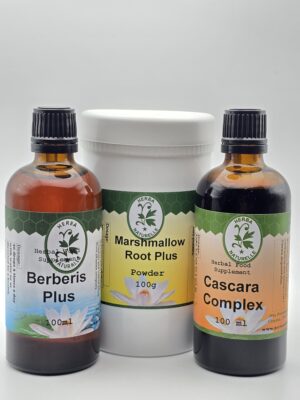 Digestive reset bundle
Original price was: £151.65.£144.95Current price is: £144.95.
Digestive reset bundle
Original price was: £151.65.£144.95Current price is: £144.95.
-
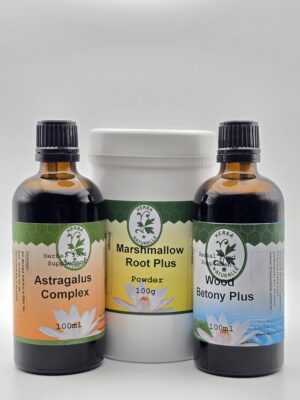 Smooth muscle and immune reset Bundle
Original price was: £177.60.£159.95Current price is: £159.95.
Smooth muscle and immune reset Bundle
Original price was: £177.60.£159.95Current price is: £159.95.
-
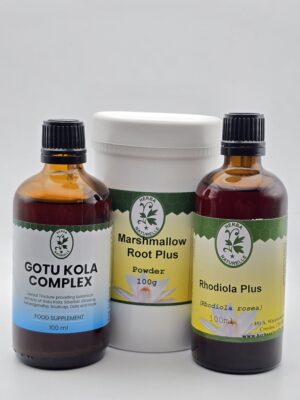 Nervous System Reset
Original price was: £163.68.£149.95Current price is: £149.95.
Nervous System Reset
Original price was: £163.68.£149.95Current price is: £149.95.
-
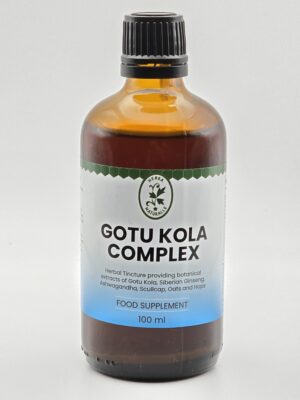 Gotu Kola Complex
£26.95
Gotu Kola Complex
£26.95