Artichoke (Cynara scolymus): The Liver and Digestive Tonic
Artichoke — Cynara scolymus — is one of the most clinically validated herbs for liver, gallbladder, and digestive health in the Western materia medica. Known primarily as a food in the UK and Mediterranean Europe, its medicinal potential lies in its leaves rather than its edible flower head — and the leaf extract is now one of the most widely studied herbal interventions for cholesterol regulation, liver protection, and digestive dysfunction.
At Herba Naturalle, Artichoke is a core digestive and hepatic herb — one whose bitter compounds and cynarin content directly stimulate bile production, support liver cell regeneration, and address the sluggish digestion, bloating, and lipid imbalance that characterise so many modern chronic health presentations. It is listed in the comprehensive Herba Naturalle herb index alongside other great liver herbs including Dandelion Root, Milk Thistle, and Yellow Dock.
Botanical Identity and Medicinal Parts
Cynara scolymus is a large, thistle-like perennial of the Asteraceae family, native to the Mediterranean but now widely cultivated. It grows to 1.5–2 metres, with deeply cut silvery-grey leaves and large violet-blue flower heads — the edible parts are the fleshy inner base of the flower bracts and the heart, but the medicinal value is concentrated in the large basal leaves. These are harvested before flowering when the active compound concentration — particularly cynarin — is at its peak.
Active Compounds and Mechanisms
The primary active compounds in Artichoke leaf include:
- Cynarin (1,3-dicaffeoylquinic acid) — the most pharmacologically active compound; stimulates bile production in the liver (choleretic action) and bile flow from the gallbladder (cholagogue action)
- Luteolin and its glycosides (including cynaroside) — powerful flavonoid antioxidants with significant hepatoprotective and anti-inflammatory activity
- Chlorogenic acid — a polyphenol with antioxidant, lipid-lowering, and liver-protective effects
- Sesquiterpene lactones (cynaropicrin) — responsible for the bitter taste; stimulate digestive secretions via the same bitter receptor pathway as other digestive bitters
- Inulin — a prebiotic fibre supporting the gut microbiome and contributing to the cholesterol-lowering effect
Clinical Evidence
Cholesterol reduction: Artichoke leaf extract is among the most evidence-backed herbal interventions for dyslipidaemia. A systematic review of randomised controlled trials — including a pivotal 2,000-patient study — found statistically significant reductions in total cholesterol, LDL, and triglycerides with standardised Artichoke leaf extract. The mechanisms are well understood: cynarin increases bile acid synthesis from cholesterol, reducing the cholesterol pool; luteolin inhibits HMG-CoA reductase (the same enzyme targeted by statin drugs); and the inulin content supports cholesterol excretion via the gut.
Liver protection: Artichoke demonstrates hepatoprotective activity comparable to Milk Thistle in several laboratory and clinical models. It protects hepatocytes from toxic damage, reduces liver enzyme elevation (ALT, AST), and supports hepatocyte regeneration. This makes it relevant in fatty liver disease (NAFLD), alcoholic liver damage, and the elevated liver enzymes that commonly appear on health screens.
Digestive dyspepsia: Clinical trials specifically in functional dyspepsia — the clinical presentation of bloating, nausea, abdominal fullness, and upper abdominal discomfort — show meaningful improvements with Artichoke extract. The bitter stimulation of digestive secretions and bile improves the thoroughness and efficiency of fat digestion, reducing the fermentation and gas that characterise this presentation.
IBS: A randomised trial in IBS patients found that Artichoke leaf extract significantly reduced symptoms compared to placebo, with particularly notable improvements in bloating, abdominal pain, and overall quality of life scores.
Clinical Applications in Practice
At Herba Naturalle, the philosophy of herbal medicine places the digestive system and liver at the foundation of whole-body health. Artichoke is particularly applicable in:
- Sluggish digestion with bloating and upper abdominal discomfort
- Elevated cholesterol and triglycerides
- Fatty liver disease and elevated liver enzymes
- Poor fat digestion following gallbladder removal
- Constipation with hepatic involvement
- General liver detoxification support
Artichoke forms a key component of the Berberis Plus tincture at Herba Naturalle — combined with barberry, fennel, and gentian for a comprehensive digestive bitter and bile-stimulating formula. The Digestive Reset Bundle provides the broader digestive programme in which Artichoke’s hepatic and digestive actions are most effective.
Preparation and Dosage
- Standardised extract (capsule/tablet): 320–640mg of dry extract standardised to cynarin content (1.5–5%), twice daily with meals
- Tincture (1:3): 2–4ml three times daily before meals
- Tea (leaf infusion): Very bitter — 1–2g dried leaf steeped 10 minutes; 1 cup before main meals
Safety
Artichoke is extremely well tolerated. Important considerations:
- Bile duct obstruction: Contraindicated — the cholagogue action increases bile flow, which is harmful when outflow is blocked
- Gallstones: Use with professional guidance; stimulating bile flow in gallstone disease carries risk of colic
- Allergy to Asteraceae: Rare sensitivity in those allergic to related plants (daisy, chrysanthemum)
- Pregnancy: Insufficient safety data; avoid therapeutic doses
To explore how Artichoke might support your digestive or liver health, contact Herba Naturalle for a personalised consultation. Explore the complete product range for all available formulations.
This article is for informational purposes only. Please consult your GP or a qualified medical herbalist before using herbal medicines.
Our Trending Products & Bundles
-
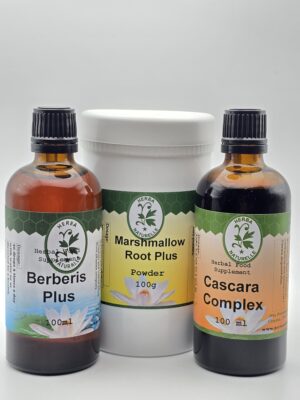 Digestive reset bundle
Original price was: £151.65.£144.95Current price is: £144.95.
Digestive reset bundle
Original price was: £151.65.£144.95Current price is: £144.95.
-
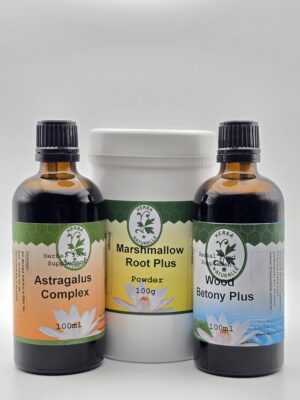 Smooth muscle and immune reset Bundle
Original price was: £177.60.£159.95Current price is: £159.95.
Smooth muscle and immune reset Bundle
Original price was: £177.60.£159.95Current price is: £159.95.
-
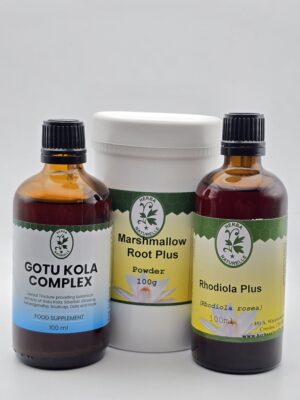 Nervous System Reset
Original price was: £163.68.£149.95Current price is: £149.95.
Nervous System Reset
Original price was: £163.68.£149.95Current price is: £149.95.
-
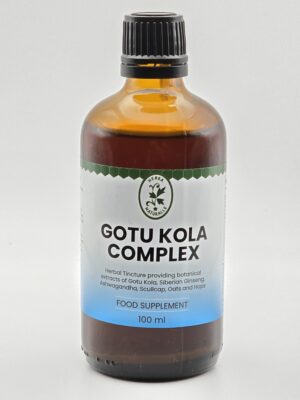 Gotu Kola Complex
£26.95
Gotu Kola Complex
£26.95