
Trapped Wind Relief: Fast and Long-Lasting Solutions
Trapped wind causes some of the most acutely uncomfortable digestive symptoms, sharp, cramping pain, visible bloating, and a persistent sense of fullness and pressure. This guide covers both immediate relief techniques and the longer-term strategies that address why trapped wind keeps returning.
Understanding Trapped Wind Before Treating It
Before reaching for a remedy, it helps to understand which aspect of trapped wind you are dealing with:
Upper digestive trapped wind typically presents as belching, bloating immediately after eating, upper abdominal discomfort, and sometimes a feeling of pressure in the chest. It is often related to swallowed air, acid reflux, slow gastric emptying, or inadequate chewing.
Lower digestive trapped wind presents as cramping, lower abdominal bloating (often worse as the day progresses), audible gurgling, and discomfort that may radiate to the lower back or groin. It is more commonly related to fermentation of undigested carbohydrates in the large bowel, constipation, or IBS.
Identifying which type you are experiencing guides the most effective choice of remedy.
Immediate Relief for Trapped Wind
Peppermint, peppermint relaxes the smooth muscle of the intestinal wall through its menthol content, allowing gas to move and pass. Peppermint tea is gentler and faster-acting for upper digestive gas. Enteric-coated peppermint oil capsules (Colpermin) deliver their effect to the lower bowel and are particularly effective for IBS-associated lower abdominal wind and cramping.
Heat, a warm water bottle or heat pad applied to the abdomen relaxes intestinal smooth muscle and encourages gas to move. Particularly effective for lower abdominal cramping.
Ginger, fresh ginger tea or ginger capsules stimulate gastric emptying (speeds food through the stomach) and have anti-spasmodic effects on the bowel. Useful for upper digestive gas, nausea, and slow digestion.
Simeticone, the standard over-the-counter anti-foaming agent; breaks down large gas bubbles into smaller ones that are easier to pass. Available as Wind-Eze drops and tablets.
Buscopan (hyoscine butylbromide), available without prescription; specifically targets intestinal smooth muscle spasm. Particularly useful when trapped wind is accompanied by significant cramping.
Fennel tea, a carminative and antispasmodic herb with centuries of use for trapped wind. Drink 2–3 cups per day between meals.
Chamomile tea, anti-inflammatory and gently antispasmodic; supportive for all types of digestive discomfort associated with trapped wind.
Physical Positions and Movements for Relief
Movement is one of the fastest and most underused tools for trapped wind relief:
Walking, stimulates intestinal peristalsis; even a short 10-minute walk after meals makes a significant difference for many people.
Lying on the left side, the large intestine naturally flows downward on the left side; lying left laterally with the knees slightly bent encourages gas to move in the direction of natural transit.
Yoga poses:
- Wind-relieving pose (Pavanamuktasana), lying on your back, drawing one knee then both to your chest and pressing them gently against the abdomen directly stimulates gas release
- Seated twist, a gentle torso rotation compresses and releases sections of the bowel, encouraging gas movement
- Child’s pose, abdominal compression in the folded-forward position helps gas pass
Abdominal massage, using the flat of your hand, massage the abdomen in a clockwise direction following the path of the colon (starting at the lower right, moving up and across to the left, then down). Apply gentle to moderate pressure and repeat for 5–10 minutes.
Long-Term Strategies for Persistent Trapped Wind
If you are experiencing trapped wind on most days, it reflects an underlying pattern that immediate remedies will not resolve:
Low-FODMAP diet trial, a structured 4–8 week period of reducing fermentable carbohydrates (FODMAPs), followed by systematic reintroduction, identifies specific dietary triggers with high accuracy. Best done with guidance from a registered dietitian.
Improve eating habits, eat slowly, chew thoroughly, avoid talking while eating, avoid carbonated drinks, and do not eat on the move.
Treat constipation, constipation is one of the most common causes of persistent trapped wind. Increasing water intake, dietary fibre (gradually), and physical activity supports regular bowel transit.
Address stress, the gut-brain connection means that chronic psychological stress directly impairs bowel motility and worsens gas and bloating. Stress management is not optional for people with chronic digestive symptoms.
A Herbalist’s Approach to Persistent Trapped Wind
At Herba Naturalle, persistent trapped wind is a signal that the smooth muscle of the intestinal wall has lost its healthy rhythm and tone. Restoring this requires more than dietary adjustments alone, it requires strengthening the bowel’s muscular action and reducing the underlying gut lining inflammation that perpetuates sluggish motility.
The Berberis Plus, containing fennel, gentian, and artichoke alongside barberry, directly stimulates digestive tone and bile flow. The Marshmallow Root Plus soothes and strengthens the gut lining. Together as part of the Digestive Reset Bundle, they address the root cause rather than just masking the symptoms.
Browse the full range at Herba Naturalle Products or contact the clinic for a personal consultation.
The Herba Naturalle 3-Step Bundle
The Herba Naturalle Bundle provides lasting trapped wind relief through three root-level steps:
Step 1, Restore Digestion: The Digestive Reset Bundle restores the bowel rhythm and digestive fire that prevent gas from accumulating in the first place.
Step 2, Calm the Surface Nervous System: Nervous system dysregulation is a leading driver of IBS and chronic trapped wind. The Nervous System Reset addresses this link directly.
Step 3, Heal the Smooth Muscle Lining: The Smooth Muscle and Immune Reset Bundle targets the intestinal wall inflammation at the structural root of chronic bloating and gas.
This article is for informational purposes only. Please see your GP if you have persistent, severe, or worsening digestive symptoms.
Our Trending Products & Bundles
-
 Digestive reset bundle
Original price was: £151.65.£144.95Current price is: £144.95.
Digestive reset bundle
Original price was: £151.65.£144.95Current price is: £144.95.
-
 Smooth muscle and immune reset Bundle
Original price was: £177.60.£159.95Current price is: £159.95.
Smooth muscle and immune reset Bundle
Original price was: £177.60.£159.95Current price is: £159.95.
-
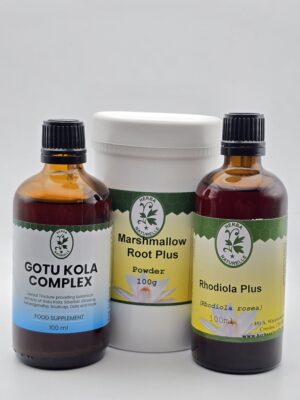 Nervous System Reset
Original price was: £163.68.£149.95Current price is: £149.95.
Nervous System Reset
Original price was: £163.68.£149.95Current price is: £149.95.
-
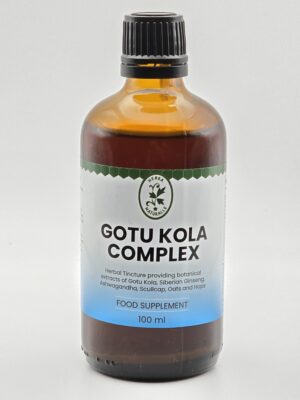 Gotu Kola Complex
£26.95
Gotu Kola Complex
£26.95


About the Author

Holistic Herbalist in UK · 30 Years of Excellence at Croydon, GB
Angela Jegnathan brings over 30 years of experience in integrated medicine and more than 25 years of full-time clinical herbal practice. Specializing in holistic herbal medicine, she focuses on restoring digestive health, calming the nervous system, and supporting the body's natural inflammatory response through evidence-based, patient-centered care.
Expertise: Holistic Herbs, Natural Medicines, Herbal Health
30 years of experience
