Probiotic Water: What It Is, Whether It Works and How to Make It
Probiotic water is a broad term used to describe water-based fermented drinks containing live bacteria and sometimes yeasts. As interest in gut health has grown, these drinks have moved from niche fermentation communities into mainstream health food shops across the UK. This guide explains what probiotic water actually is, what it does in the gut, and whether it is worth adding to your routine.
What Is Probiotic Water?
The term “probiotic water” covers several different products and practices:
Water kefir, the most established form of probiotic water. Made by fermenting a solution of water, sugar (or fruit juice), and water kefir grains, a symbiotic community of bacteria and yeasts similar to the grains used to make dairy kefir, but adapted to a water medium. The grains consume the sugar and produce lactic acid, carbon dioxide, and a range of beneficial bacteria and yeasts.
Fermented herbal waters, water infused with medicinal herbs and allowed to ferment with wild yeasts or a starter culture. Less standardised but widely made in home fermentation communities.
Commercial probiotic waters, bottled products sold in health food shops and supermarkets, containing added probiotic cultures in a water base. These vary enormously in quality, strain composition, and CFU count.
Rejuvelac, a fermented grain water made by soaking and sprouting grains (usually wheat berries or rye), then fermenting the soak water. Popular in raw food communities.
What Are the Benefits of Probiotic Water?
The theoretical benefits of probiotic water are those of probiotics in general:
- Supporting the balance and diversity of the gut microbiome
- Competing with pathogenic bacteria in the gut
- Producing lactic acid that creates a mildly acidic gut environment inhospitable to harmful bacteria
- Potentially producing short-chain fatty acids and B vitamins during fermentation
- Supporting immune function that originates in the gut
However, the evidence for specific health benefits from probiotic water is much less developed than for specific probiotic strains in supplement form. The bacterial content of water kefir and similar drinks is variable and dependent on the fermentation conditions, temperature, and starter culture used. Unlike pharmaceutical-grade probiotic supplements, fermented drinks are not standardised for strain type or CFU count.
How Does Water Kefir Compare to Dairy Kefir?
Dairy kefir has a more extensive research base than water kefir. Dairy kefir typically contains higher CFU counts and a more diverse range of well-characterised probiotic strains. Water kefir is:
- Dairy-free and therefore suitable for vegans and those with dairy intolerance
- Lower in protein and calcium than dairy kefir
- Lighter and less sour in flavour, making it more palatable for some people
- Variable in bacterial strain composition depending on the grains used
Both have a role in gut health support, and individual tolerance and preference should guide the choice.
How to Make Water Kefir at Home
Water kefir is straightforward to make at home with a starting set of kefir grains, widely available in the UK from fermentation suppliers and online.
Basic recipe:
- Dissolve 50–80g of unrefined sugar in 1 litre of filtered or mineral water (avoid tap water with high chlorine, as chlorine kills beneficial bacteria)
- Add your water kefir grains (start with 3–4 tablespoons)
- Optionally add a few dried fruit pieces (unsulphured) or a clean eggshell (for mineral content)
- Cover loosely with a cloth or lid that allows gas to escape, and leave at room temperature for 24–48 hours
- Strain out the grains and bottle the liquid
- The grains can be immediately used for a new batch
For a second ferment (adding flavour and carbonation), add fruit or fruit juice to the strained liquid, seal in a bottle, and leave for a further 24–48 hours at room temperature before refrigerating.
Limitations and Safety Considerations
- Probiotic water is not equivalent to a standardised probiotic supplement, it provides a beneficial addition to gut health support but should not be relied upon as a primary therapeutic intervention for gut conditions
- The alcohol content of water kefir is low but not zero, typically 0.5–1% depending on fermentation time and conditions
- People with compromised immune systems, those on immunosuppressant medication, or those with SIBO (small intestinal bacterial overgrowth) should exercise caution with fermented drinks and consult a healthcare professional first
- If making at home, ensure clean equipment, contaminated fermentation vessels can introduce unwanted organisms
Probiotic Water as Part of a Holistic Gut Health Strategy
At Herba Naturalle, probiotic water is welcomed as a pleasant and accessible contribution to gut microbiome support, but it works best within a broader approach that addresses the gut lining and digestive environment itself. A healthy microbiome requires a healthy home.
The Digestive Reset Bundle, combining Berberis Plus and Marshmallow Root Plus, creates the gut environment in which live cultures from water kefir and other fermented drinks can genuinely thrive and contribute to long-term gut health.
Read more at About Herbal Medicine or contact the clinic for a personal digestive health consultation.
The Herba Naturalle 3-Step Bundle
The Herba Naturalle Bundle creates the gut environment in which probiotic water and all gut health interventions work most effectively:
Step 1, Restore Digestion: The Digestive Reset Bundle restores the bowel rhythm and gut secretory function that the microbiome depends upon.
Step 2, Calm the Surface Nervous System: The Nervous System Reset reduces stress-related gut disruption that impairs microbiome balance.
Step 3, Heal the Smooth Muscle Lining: The Smooth Muscle and Immune Reset Bundle repairs the gut wall structure, the foundation for all microbiome health.
This article is for informational purposes only. If you have a diagnosed gut condition, please consult your GP or a registered dietitian before making significant changes to your dietary intake.
Our Trending Products & Bundles
-
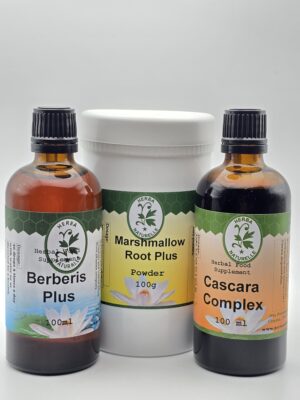 Digestive reset bundle
Original price was: £151.65.£144.95Current price is: £144.95.
Digestive reset bundle
Original price was: £151.65.£144.95Current price is: £144.95.
-
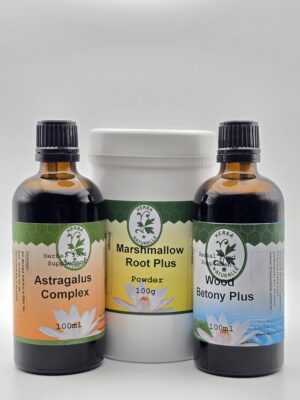 Smooth muscle and immune reset Bundle
Original price was: £177.60.£159.95Current price is: £159.95.
Smooth muscle and immune reset Bundle
Original price was: £177.60.£159.95Current price is: £159.95.
-
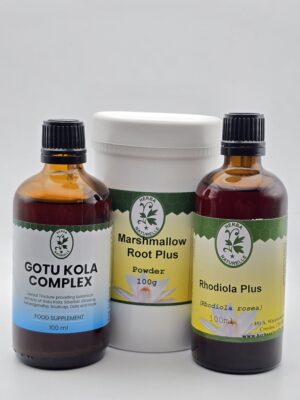 Nervous System Reset
Original price was: £163.68.£149.95Current price is: £149.95.
Nervous System Reset
Original price was: £163.68.£149.95Current price is: £149.95.
-
 Gotu Kola Complex
£26.95
Gotu Kola Complex
£26.95


About the Author

Holistic Herbalist in UK · 30 Years of Excellence at Croydon, GB
Angela Jegnathan brings over 30 years of experience in integrated medicine and more than 25 years of full-time clinical herbal practice. Specializing in holistic herbal medicine, she focuses on restoring digestive health, calming the nervous system, and supporting the body's natural inflammatory response through evidence-based, patient-centered care.
Expertise: Holistic Herbs, Natural Medicines, Herbal Health
30 years of experience
