Wild Carrot Herb (Daucus carota): The Urinary and Digestive Carminative
Wild Carrot — Daucus carota — is the ancestor of the cultivated carrot, growing on dry grasslands and roadsides throughout Britain as Queen Anne’s Lace. While the root of the cultivated carrot is a nutritious food, the medicinal use of Wild Carrot in herbal medicine focuses on the seed, leaf, and whole aerial herb — which carry a distinct volatile oil profile providing significant carminative, diuretic, and urinary tonic properties.
At Herba Naturalle, Wild Carrot Herb is listed in the comprehensive herb index as a urinary and digestive carminative herb — complementary to the Cornsilk Plus for urinary support.
Active Compounds
- Volatile oil (seeds especially) — primarily carotol, daucol, and limonene; carminative, diuretic, and antispasmodic
- Flavonoids — luteolin, quercetin; anti-inflammatory
- Furanocoumarins — psoralen and related compounds; photosensitising (important safety consideration)
- Beta-carotene — antioxidant, in the root especially
Clinical Applications
Urinary Tract Support and Kidney Stones
The primary medicinal application. Wild Carrot seeds and aerial herb have significant diuretic activity — increasing urine output and supporting the clearance of urinary gravel and small kidney stones. Used for urinary tract infections, kidney gravel, and cystitis alongside more antimicrobial urinary herbs.
Digestive Carminative
The volatile oil content provides carminative (gas-relieving) and antispasmodic action — used for flatulence, bloating, and intestinal colic.
Contraceptive (Traditional — Important Note)
Wild Carrot seed has a traditional reputation as a post-coital contraceptive in various folk traditions. Research has shown some anti-fertility activity. This is not a reliable or recommended method of contraception — mentioned for educational completeness only.
Relevant Blog Posts
- Stop the Inflammation Pandemic: The Digestive System (Part 1)
- Stop the Inflammation Pandemic – The Lymphatic System
- Healing the Heart: Understanding and Reversing Inflammation in the Cardiovascular System
- Inflammation in Muscles and Joints: The Hidden Link to Autoimmunity
- Welcome to the Final Episode of the Inflammation Pandemic Series
Safety
- Pregnancy: Contraindicated — potential anti-fertility activity; the seeds specifically have been used historically to prevent or terminate pregnancy
- Photosensitivity: Furocoumarin content — avoid prolonged sun exposure
- Apiaceae allergy: Cross-reactivity with celery, fennel, carrot family — rare but possible
- Wild plant identification: Correct botanical identification is essential — toxic Conium maculatum (hemlock) can be confused with Wild Carrot by the inexperienced
Contact Herba Naturalle for urinary herbal support. Browse all products and the full herb index.
This article is for informational purposes only. Please consult a qualified medical herbalist before use.
Our Trending Products & Bundles
-
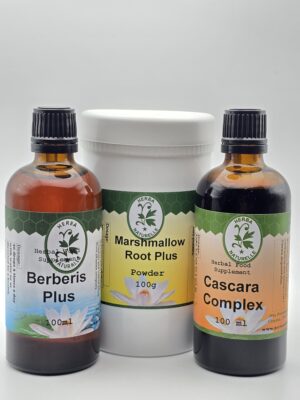 Digestive reset bundle
Original price was: £151.65.£144.95Current price is: £144.95.
Digestive reset bundle
Original price was: £151.65.£144.95Current price is: £144.95.
-
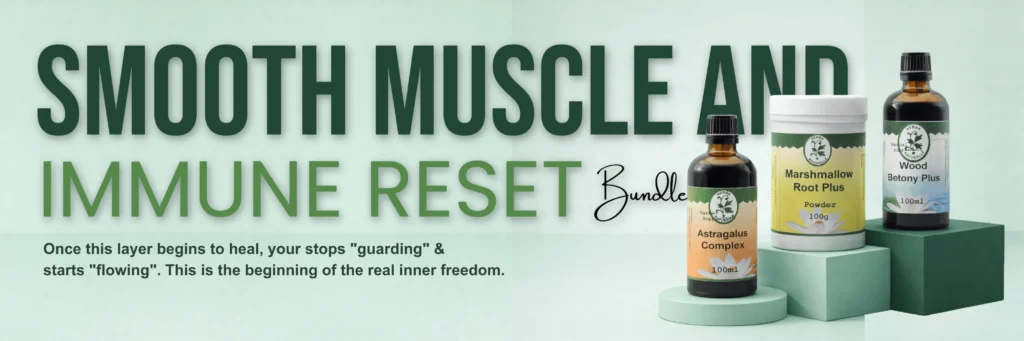
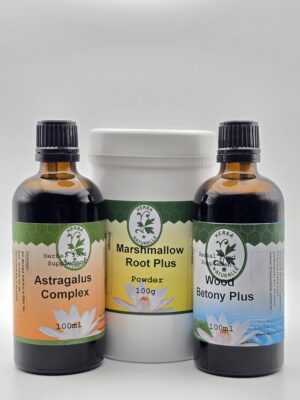 Smooth muscle and immune reset Bundle
Original price was: £177.60.£159.95Current price is: £159.95.
Smooth muscle and immune reset Bundle
Original price was: £177.60.£159.95Current price is: £159.95.
-
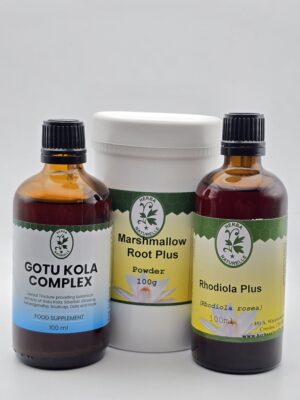 Nervous System Reset
Original price was: £163.68.£149.95Current price is: £149.95.
Nervous System Reset
Original price was: £163.68.£149.95Current price is: £149.95.
-
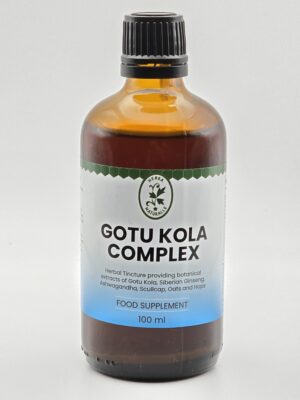 Gotu Kola Complex
£26.95
Gotu Kola Complex
£26.95

About the Author

Holistic Herbalist in UK · 30 Years of Excellence at Croydon, GB
Angela Jegnathan brings over 30 years of experience in integrated medicine and more than 25 years of full-time clinical herbal practice. Specializing in holistic herbal medicine, she focuses on restoring digestive health, calming the nervous system, and supporting the body's natural inflammatory response through evidence-based, patient-centered care.
Expertise: Holistic Herbs, Natural Medicines, Herbal Health
30 years of experience
