
Pilewort Herb (Ranunculus ficaria): Nature’s Name for Haemorrhoid Relief
Pilewort — Ranunculus ficaria, more commonly known as Lesser Celandine — is one of the most direct examples of the Doctrine of Signatures in the British herbal tradition: the small, knobbly tubers of this early-spring buttercup family plant were thought by medieval herbalists to resemble haemorrhoids (“piles”), leading directly to its name and its specific traditional application for this exact condition. Whatever one makes of the signature itself, Pilewort has maintained a continuous and well-respected reputation as a topical remedy for haemorrhoids across centuries of British herbal practice.
At Herba Naturalle, Pilewort is listed in the comprehensive herb index as a specialist topical herb for haemorrhoidal conditions, used externally alongside the astringent action of Oak Bark and the venous support of Horse Chestnut and Butcher’s Broom.
Active Compounds
- Saponins (ranunculin-related) — contributing to the topical anti-inflammatory and toning action
- Tannins — astringent action that tones and firms haemorrhoidal tissue
- Protoanemonin (in fresh plant) — converts to non-toxic anemonin on drying; important safety consideration
Clinical Applications
Haemorrhoids
The primary and almost exclusive traditional application. Topical Pilewort preparations — ointments, creams, and compresses — are used to reduce the swelling, discomfort, itching, and bleeding of external haemorrhoids. The astringent tannin content tones the distended venous tissue, while the anti-inflammatory action reduces local swelling.
Anal Fissures
The astringent and anti-inflammatory properties extend to supporting the healing of minor anal fissures, often used alongside dietary fibre support and the Marshmallow Root Plus for internal soothing support.
Topical Skin Soothing
General astringent and anti-inflammatory topical use for minor skin irritation in the anal/perineal area.
Relevant Blog Posts
- Stop the Inflammation Pandemic: The Digestive System (Part 1)
- Stop the Inflammation Pandemic: Digestive System (Part 2)
- Healing the Heart: Understanding and Reversing Inflammation in the Cardiovascular System
- Inflammation in Muscles and Joints: The Hidden Link to Autoimmunity
- Welcome to the Final Episode of the Inflammation Pandemic Series
How to Use
- Topical ointment/cream: Applied directly to the affected area several times daily — only properly prepared commercial or professionally made preparations should be used
- External use only — Pilewort is not used internally due to the protoanemonin content in fresh plant material
Safety
- External use only — internal use is not appropriate due to the toxic potential of fresh plant compounds
- Only use properly prepared, dried, or commercially processed preparations
- Discontinue if any skin irritation occurs
- Persistent or severe haemorrhoid symptoms: Always seek medical assessment to exclude other causes of rectal bleeding
Contact Herba Naturalle for digestive and topical herbal support. Browse all products and the full herb index.
This article is for informational purposes only. Please see your GP for any rectal bleeding to exclude other causes, and consult a qualified medical herbalist before use.
Our Trending Products & Bundles
-
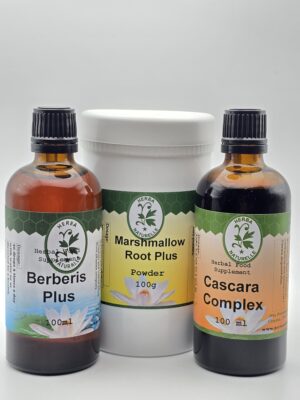 Digestive reset bundle
Original price was: £151.65.£144.95Current price is: £144.95.
Digestive reset bundle
Original price was: £151.65.£144.95Current price is: £144.95.
-
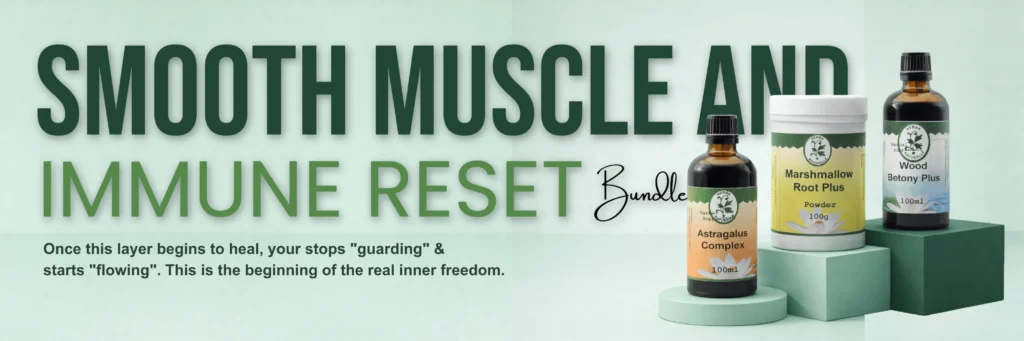
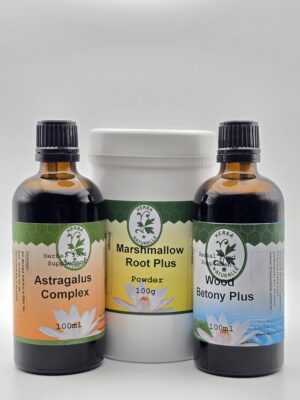 Smooth muscle and immune reset Bundle
Original price was: £177.60.£159.95Current price is: £159.95.
Smooth muscle and immune reset Bundle
Original price was: £177.60.£159.95Current price is: £159.95.
-
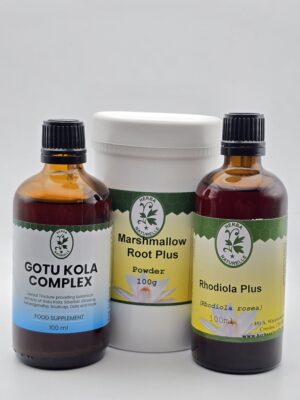 Nervous System Reset
Original price was: £163.68.£149.95Current price is: £149.95.
Nervous System Reset
Original price was: £163.68.£149.95Current price is: £149.95.
-
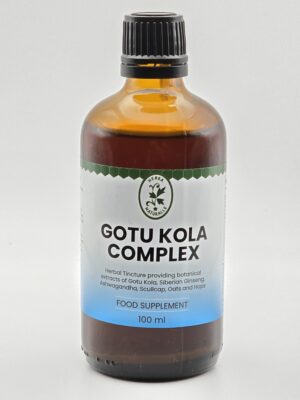 Gotu Kola Complex
£26.95
Gotu Kola Complex
£26.95

About the Author

Holistic Herbalist in UK · 30 Years of Excellence at Croydon, GB
Angela Jegnathan brings over 30 years of experience in integrated medicine and more than 25 years of full-time clinical herbal practice. Specializing in holistic herbal medicine, she focuses on restoring digestive health, calming the nervous system, and supporting the body's natural inflammatory response through evidence-based, patient-centered care.
Expertise: Holistic Herbs, Natural Medicines, Herbal Health
30 years of experience
