Hyssop Herb (Hyssopus officinalis): The Sacred Respiratory Herb
Hyssop — Hyssopus officinalis — holds one of the most ancient medicinal records of any European herb, mentioned in the Bible, used in ancient Jewish purification rituals, prescribed by Hippocrates, and maintained throughout the European monastic herbal tradition as a primary respiratory and digestive herb. This aromatic, lavender-flowered subshrub of the Mediterranean and Central Asian mountains carries a distinctive pungent, slightly bitter camphoraceous aroma — the olfactory signal of its rich volatile oil content and the pharmacological basis for much of its therapeutic activity.
At Herba Naturalle, Hyssop is listed in the comprehensive herb index as a respiratory and antiviral herb — directly relevant to the respiratory inflammation discussed in the Stop the Inflammation Pandemic: Breathe Easy post.
Active Compounds
- Volatile oil — pinocamphone, isopinocamphone, beta-pinene, limonene, and 1,8-cineole; expectorant, antispasmodic, and antimicrobial
- Diterpenoids — marrubiin-related compounds; expectorant action
- Flavonoids — diosmin, hesperidin, hyssopine; anti-inflammatory, antispasmodic, and antiviral
- Rosmarinic acid — antioxidant, anti-inflammatory, and antiviral
- Tannins — mild astringent action on mucous membranes
Clinical Applications
Bronchitis and Productive Cough
The volatile oil and diterpenoid content provide expectorant action — loosening and mobilising bronchial mucus. The antispasmodic flavonoids reduce the excessive bronchial contractions of spasmodic cough. Hyssop is specifically suited to productive bronchitis with mucus that is difficult to clear. The Lungwort Plus provides complementary lower respiratory mucosal support.
Antiviral Activity
Rosmarinic acid and the flavonoid diosmin have documented antiviral activity — particularly against herpes simplex virus. Traditional use for colds and flu has a pharmacological basis in these antiviral compounds.
Asthma and Bronchial Spasm
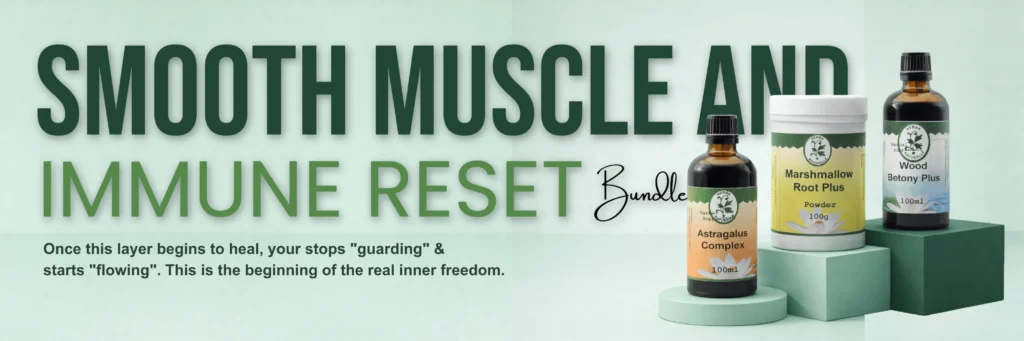
The antispasmodic volatile oil relaxes bronchial smooth muscle — relevant in asthmatic presentations with bronchial spasm. The Smooth Muscle and Immune Reset Bundle addresses the underlying airway smooth muscle inflammation.
Digestive Bitter Tonic
The bitter volatile oil content stimulates digestive secretions — Hyssop is a mild digestive bitter used for dyspepsia, flatulence, and poor appetite. The Digestive Reset Bundle provides the comprehensive digestive programme.
Nervous System
Mild nervine properties — used in traditional medicine for nervous headache and nervous digestive disturbances.
Relevant Blog Posts
- Stop the Inflammation Pandemic: Breathe Easy – Inflammation in the Nose, Sinuses, and Lungs
- Stop the Inflammation Pandemic: The Digestive System (Part 1)
- Inflammation of the Surface Nervous System: Where Healing Begins
- Stop the Inflammation Pandemic – The Lymphatic System
- Welcome to the Final Episode of the Inflammation Pandemic Series
How to Use
- Tea: 2g dried herb steeped 10 minutes; 3 cups daily during respiratory illness
- Tincture (1:3): 2–4ml three times daily
Safety
- Epilepsy: Pinocamphone content has proconvulsant potential — avoid in epilepsy
- Pregnancy: Contraindicated — the volatile oil may stimulate uterine contractions
- Children: Use very dilute preparations only; avoid strong preparations in young children
Contact Herba Naturalle for respiratory herbal support. Browse all products and the full herb index.
This article is for informational purposes only. Please consult a qualified medical herbalist before use.
Our Trending Products & Bundles
-
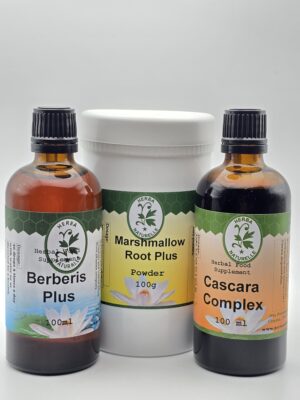 Digestive reset bundle
Original price was: £151.65.£144.95Current price is: £144.95.
Digestive reset bundle
Original price was: £151.65.£144.95Current price is: £144.95.
-
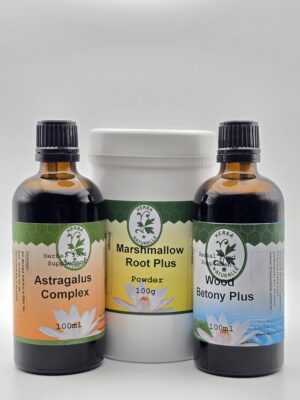 Smooth muscle and immune reset Bundle
Original price was: £177.60.£159.95Current price is: £159.95.
Smooth muscle and immune reset Bundle
Original price was: £177.60.£159.95Current price is: £159.95.
-
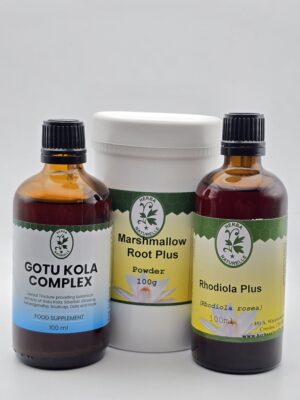 Nervous System Reset
Original price was: £163.68.£149.95Current price is: £149.95.
Nervous System Reset
Original price was: £163.68.£149.95Current price is: £149.95.
-
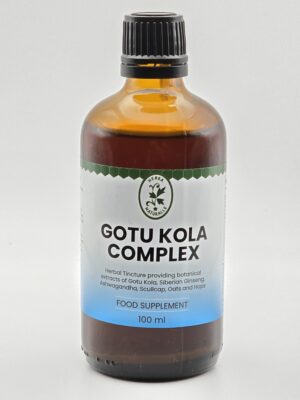 Gotu Kola Complex
£26.95
Gotu Kola Complex
£26.95