Holy Thistle Herb (Carbenia benedicta): The Blessed Bitter
Holy Thistle — Carbenia benedicta (more commonly known as Cnicus benedictus, Blessed Thistle) — is a spiny annual herb of Mediterranean origin, grown widely in European monastery herb gardens since the Middle Ages as a general tonic and fever remedy. Its name reflects the esteem in which medieval European medicine held this herb — blessed for its wide range of applications and bitter virtues. In clinical herbal medicine today, Holy Thistle occupies the classic role of a digestive bitter tonic with additional liver-supportive and mild galactagogue (milk-promoting) properties.
At Herba Naturalle, Holy Thistle is listed in the comprehensive herb index as a digestive bitter — used alongside the Berberis Plus and Digestive Reset Bundle for digestive and liver support.
Active Compounds
- Cnicin — the primary sesquiterpene lactone bitter; the most intensely bitter compound of the herb; stimulates bitter receptors triggering the full cascade of digestive secretion
- Volatile oil — with antimicrobial and carminative properties
- Flavonoids — apigenin and luteolin; anti-inflammatory and antioxidant
- Tannins — astringent contribution
- Polyacetylenes — with antimicrobial activity
Clinical Applications
Digestive Bitter Tonic
The primary application. Like Gentian Root, Holy Thistle’s cnicin content activates bitter receptors to stimulate gastric acid, bile, and digestive enzyme production. Used for dyspepsia, poor appetite, flatulence, and the digestive heaviness of hepatic congestion. Taken 20–30 minutes before meals for best effect.
Liver Support
Cnicin and the overall bitter profile stimulate bile production and liver function — supporting fat digestion and liver detoxification. A gentler liver bitter than Gentian, making it suitable for longer-term tonic use.
Fever and Infection
Traditional use as a febrifuge (fever herb) — the bitter and diaphoretic properties support fever resolution. Used alongside Elderflower and Boneset in acute febrile illness.
Breastfeeding Support
Holy Thistle is one of the traditional European galactagogue herbs — used to promote milk production in breastfeeding mothers. The mechanism is less well characterised than for Fennel Seed or Goat Rue but the traditional use is consistent across European cultures.
Antibacterial
The polyacetylene content demonstrates antimicrobial activity against several bacterial pathogens — relevant in digestive infection and general immune support.
How to Use
- Tea: 1–2g dried herb steeped 10 minutes; drink unsweetened 20–30 minutes before meals
- Tincture (1:3): 2–4ml three times daily before meals
- Do not add sweetener — the bitter taste IS the therapeutic action
Safety
- Generally well tolerated
- Asteraceae allergy: Cross-reactivity with daisy family — discontinue if reactions occur
- Pregnancy: Avoid — insufficient safety data; traditional use only in established lactation
- Large doses: May cause nausea and vomiting at high doses
Contact Herba Naturalle for digestive herbal support. Browse all products and the full herb index.
This article is for informational purposes only. Please consult a qualified medical herbalist before use.
Our Trending Products & Bundles
-
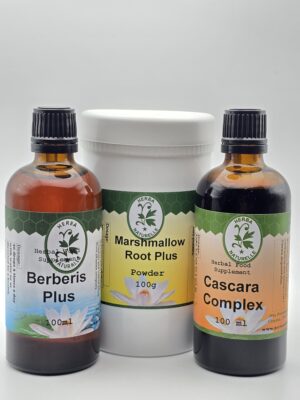 Digestive reset bundle
Original price was: £151.65.£144.95Current price is: £144.95.
Digestive reset bundle
Original price was: £151.65.£144.95Current price is: £144.95.
-
 Smooth muscle and immune reset Bundle
Original price was: £177.60.£159.95Current price is: £159.95.
Smooth muscle and immune reset Bundle
Original price was: £177.60.£159.95Current price is: £159.95.
-
 Nervous System Reset
Original price was: £163.68.£149.95Current price is: £149.95.
Nervous System Reset
Original price was: £163.68.£149.95Current price is: £149.95.
-
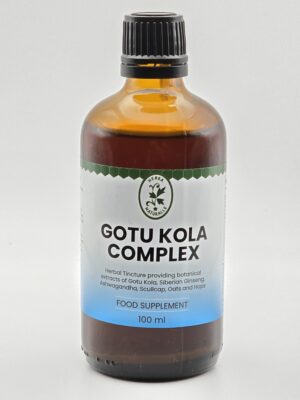 Gotu Kola Complex
£26.95
Gotu Kola Complex
£26.95