Clove Leaf (Syzygium aromaticum fol): The Antimicrobial Leaf
Clove Leaf — the leaf of Syzygium aromaticum — shares much of the antimicrobial and analgesic character of the more celebrated Clove Buds, while bringing a slightly different phytochemical emphasis that makes it particularly valuable in specific clinical contexts. The leaf essential oil typically contains a higher proportion of eugenol than the bud oil, with a lower proportion of the acetyleugenol and beta-caryophyllene that characterise the bud’s fuller aromatic profile.
At Herba Naturalle, both Clove Leaf and Clove Buds are listed separately in the comprehensive 224-herb index — reflecting the clinical precision of understanding how different parts of the same plant serve different therapeutic purposes. The about herbal medicine page explains this whole-plant, part-specific philosophy.
Active Compounds
- Eugenol (80–90% of leaf oil) — potent analgesic, antimicrobial, antifungal, antiviral, and anti-inflammatory
- Beta-caryophyllene — anti-inflammatory sesquiterpene; activates CB2 cannabinoid receptors
- Eugenyl acetate — contributing to the overall aromatic and pharmacological profile
Clinical Applications
Dental Analgesic and Antiseptic
The highest-eugenol preparation makes Clove Leaf oil particularly effective as a topical dental analgesic — applied diluted to the gum for toothache, abscess pain, and dental ulcers. Eugenol has been used in dental materials for over 150 years precisely because of its reliable local anaesthetic and antimicrobial activity.
Antimicrobial
Broad-spectrum antimicrobial activity against bacteria, fungi (Candida), and viruses. Used in gut dysbiosis protocols alongside the Berberis Plus and Digestive Reset Bundle.
Antiparasitic
Eugenol has documented activity against intestinal parasites — used in traditional and clinical herbal medicine for parasite clearance protocols.
Digestive Support
As a warming carminative, Clove Leaf relieves gas, bloating, and intestinal spasm — improving digestive comfort.
Safety
- Topical use: Always dilute — pure eugenol causes chemical burns to mucosa
- Never ingest essential oil undiluted
- Pregnancy: Avoid therapeutic doses; culinary amounts safe
- Anticoagulants: Eugenol has mild antiplatelet activity
Contact Herba Naturalle for personalised herbal support. Browse all products.
This article is for informational purposes only. Please consult a qualified medical herbalist before use.
Clove Leaf — the leaf of Syzygium aromaticum — shares much of the antimicrobial and analgesic character of the more celebrated Clove Buds, while bringing a slightly different phytochemical emphasis that makes it particularly valuable in specific clinical contexts. The leaf essential oil typically contains a higher proportion of eugenol than the bud oil, with a lower proportion of the acetyleugenol and beta-caryophyllene that characterise the bud’s fuller aromatic profile.
At Herba Naturalle, both Clove Leaf and Clove Buds are listed separately in the comprehensive 224-herb index — reflecting the clinical precision of understanding how different parts of the same plant serve different therapeutic purposes. The about herbal medicine page explains this whole-plant, part-specific philosophy.
Active Compounds
- Eugenol (80–90% of leaf oil) — potent analgesic, antimicrobial, antifungal, antiviral, and anti-inflammatory
- Beta-caryophyllene — anti-inflammatory sesquiterpene; activates CB2 cannabinoid receptors
- Eugenyl acetate — contributing to the overall aromatic and pharmacological profile
Clinical Applications
Dental Analgesic and Antiseptic
The highest-eugenol preparation makes Clove Leaf oil particularly effective as a topical dental analgesic — applied diluted to the gum for toothache, abscess pain, and dental ulcers. Eugenol has been used in dental materials for over 150 years precisely because of its reliable local anaesthetic and antimicrobial activity.
Antimicrobial
Broad-spectrum antimicrobial activity against bacteria, fungi (Candida), and viruses. Used in gut dysbiosis protocols alongside the Berberis Plus and Digestive Reset Bundle.
Antiparasitic
Eugenol has documented activity against intestinal parasites — used in traditional and clinical herbal medicine for parasite clearance protocols.
Digestive Support
As a warming carminative, Clove Leaf relieves gas, bloating, and intestinal spasm — improving digestive comfort.
Safety
- Topical use: Always dilute — pure eugenol causes chemical burns to mucosa
- Never ingest essential oil undiluted
- Pregnancy: Avoid therapeutic doses; culinary amounts safe
- Anticoagulants: Eugenol has mild antiplatelet activity
Contact Herba Naturalle for personalised herbal support. Browse all products.
This article is for informational purposes only. Please consult a qualified medical herbalist before use.
Clove Leaf — the leaf of Syzygium aromaticum — shares much of the antimicrobial and analgesic character of the more celebrated Clove Buds, while bringing a slightly different phytochemical emphasis that makes it particularly valuable in specific clinical contexts. The leaf essential oil typically contains a higher proportion of eugenol than the bud oil, with a lower proportion of the acetyleugenol and beta-caryophyllene that characterise the bud’s fuller aromatic profile.
At Herba Naturalle, both Clove Leaf and Clove Buds are listed separately in the comprehensive 224-herb index — reflecting the clinical precision of understanding how different parts of the same plant serve different therapeutic purposes. The about herbal medicine page explains this whole-plant, part-specific philosophy.
Active Compounds
- Eugenol (80–90% of leaf oil) — potent analgesic, antimicrobial, antifungal, antiviral, and anti-inflammatory
- Beta-caryophyllene — anti-inflammatory sesquiterpene; activates CB2 cannabinoid receptors
- Eugenyl acetate — contributing to the overall aromatic and pharmacological profile
Clinical Applications
Dental Analgesic and Antiseptic
The highest-eugenol preparation makes Clove Leaf oil particularly effective as a topical dental analgesic — applied diluted to the gum for toothache, abscess pain, and dental ulcers. Eugenol has been used in dental materials for over 150 years precisely because of its reliable local anaesthetic and antimicrobial activity.
Antimicrobial
Broad-spectrum antimicrobial activity against bacteria, fungi (Candida), and viruses. Used in gut dysbiosis protocols alongside the Berberis Plus and Digestive Reset Bundle.
Antiparasitic
Eugenol has documented activity against intestinal parasites — used in traditional and clinical herbal medicine for parasite clearance protocols.
Digestive Support
As a warming carminative, Clove Leaf relieves gas, bloating, and intestinal spasm — improving digestive comfort.
Safety
- Topical use: Always dilute — pure eugenol causes chemical burns to mucosa
- Never ingest essential oil undiluted
- Pregnancy: Avoid therapeutic doses; culinary amounts safe
- Anticoagulants: Eugenol has mild antiplatelet activity
Contact Herba Naturalle for personalised herbal support. Browse all products.
This article is for informational purposes only. Please consult a qualified medical herbalist before use.
Our Trending Products & Bundles
-
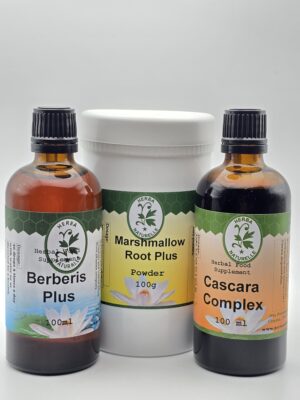 Digestive reset bundle
Original price was: £151.65.£144.95Current price is: £144.95.
Digestive reset bundle
Original price was: £151.65.£144.95Current price is: £144.95.
-
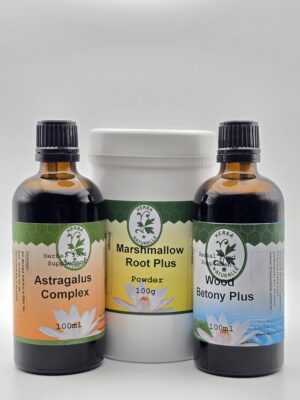 Smooth muscle and immune reset Bundle
Original price was: £177.60.£159.95Current price is: £159.95.
Smooth muscle and immune reset Bundle
Original price was: £177.60.£159.95Current price is: £159.95.
-
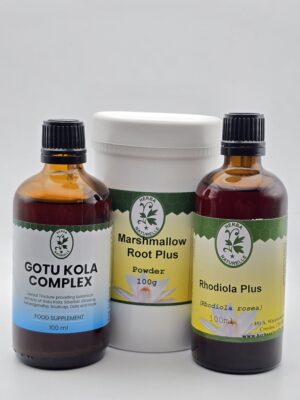 Nervous System Reset
Original price was: £163.68.£149.95Current price is: £149.95.
Nervous System Reset
Original price was: £163.68.£149.95Current price is: £149.95.
-
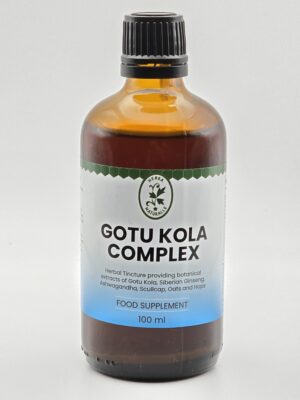 Gotu Kola Complex
£26.95
Gotu Kola Complex
£26.95