Holistic Health: What It Means and Why It Matters for Long-Term Wellbeing
By Anjela Jeganathan – Medical Herbalist | Herba Naturalle
“Holistic” is one of the most overused words in the wellness industry, applied to everything from face creams to fitness programmes with little clarity about what it actually means. In clinical practice, however, holistic health has a precise meaning and it matters profoundly for health outcomes.
What Holistic Health Actually Means
Holistic health means treating the whole person body, mind, and the lifestyle context in which they live rather than treating isolated symptoms or diagnoses. It is not a rejection of anatomy, physiology, or evidence-based medicine. It is a recognition that human health is a system, not a collection of independent parts, and that treating parts in isolation consistently produces incomplete outcomes.
When a patient presents with IBS, the conventional approach addresses the gut. The holistic approach recognises that IBS is driven by a combination of gut microbiome imbalance, mucosal inflammation, nervous system dysregulation, dietary factors, and often anxiety or chronic stress and addresses all of these contributing factors simultaneously. As explored in our post on gut and digestive health from the holistic perspective, the interconnectedness of the digestive system with every other body system is fundamental to understanding how digestive conditions develop and how they resolve.
The Body as an Integrated System
The gut and the brain are connected through the enteric nervous system and the gut-brain axis. Anxiety worsens IBS, and IBS worsens anxiety. Treating one without addressing the other produces partial improvement at best. Our post on mental health, depression, anxiety and natural support explores this gut-brain connection in the context of mental health.
The liver and the cardiovascular system are connected through shared metabolic pathways. Fatty liver elevates inflammatory markers that directly increase cardiovascular risk. Our articles on fatty liver and cholesterol and heart health address this connection and why cardiovascular prevention requires attention to liver and metabolic health, not just blood lipid levels.
The heart and the mind are connected. Chronic anxiety elevates heart rate and blood pressure. Our post on resting heart rate, blood pressure and heart health illustrates how cardiovascular parameters reflect not just physical fitness but the overall nervous system state.
Why Holistic Health Produces Better Long-Term Outcomes
Treating the whole person rather than the symptom produces better long-term outcomes for a straightforward reason: most chronic conditions are not caused by a single factor, and most symptoms are expressions of systemic imbalance rather than isolated pathology.
When the whole person is supported gut health restored, liver function optimised, inflammatory burden reduced, nervous system calmed, sleep quality improved, and diet aligned with metabolic needs the conditions that allow chronic symptoms to persist are removed. The body can then direct its own considerable healing capacity more effectively.
This is the clinical philosophy at Herba Naturalle and the reason that herbal medicine, practised by a qualified medical herbalist who takes the time to understand the full picture of a patient’s health, consistently produces outcomes that symptom-focused approaches cannot match.
This article is for educational purposes only. Please consult your GP for medical concerns.
Our Trending Products & Bundles
-
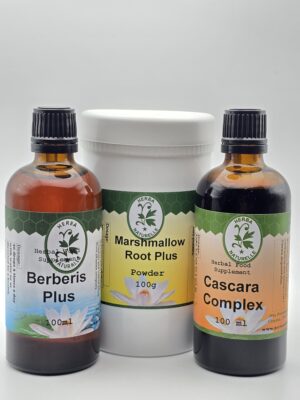 Digestive reset bundle
Original price was: £151.65.£144.95Current price is: £144.95.
Digestive reset bundle
Original price was: £151.65.£144.95Current price is: £144.95.
-
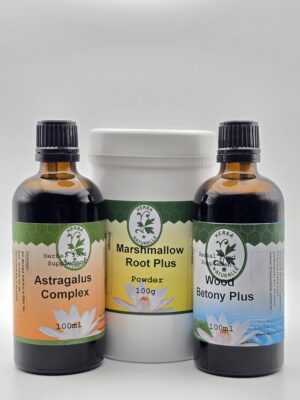 Smooth muscle and immune reset Bundle
Original price was: £177.60.£159.95Current price is: £159.95.
Smooth muscle and immune reset Bundle
Original price was: £177.60.£159.95Current price is: £159.95.
-
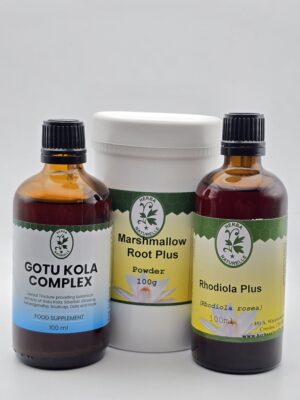 Nervous System Reset
Original price was: £163.68.£149.95Current price is: £149.95.
Nervous System Reset
Original price was: £163.68.£149.95Current price is: £149.95.
-
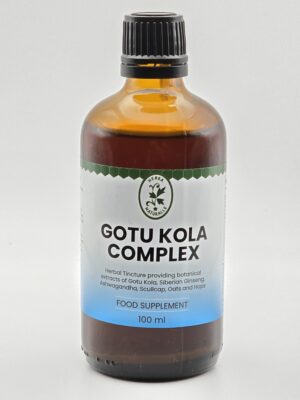 Gotu Kola Complex
£26.95
Gotu Kola Complex
£26.95


About the Author

Holistic Herbalist in UK · 30 Years of Excellence at Croydon, GB
Angela Jegnathan brings over 30 years of experience in integrated medicine and more than 25 years of full-time clinical herbal practice. Specializing in holistic herbal medicine, she focuses on restoring digestive health, calming the nervous system, and supporting the body's natural inflammatory response through evidence-based, patient-centered care.
Expertise: Holistic Herbs, Natural Medicines, Herbal Health
30 years of experience
