Slippery Elm (Ulmus fulva): The Supreme Gut Soother
Slippery Elm — Ulmus fulva (also Ulmus rubra) — is, for many clinical herbalists and their patients, the single most effective herb for the inflamed, irritated, and hyperreactive gut. The inner bark of this North American elm tree produces, when mixed with water, a thick, viscous mucilaginous preparation that coats and soothes the entire gastrointestinal tract — from the oesophagus to the rectum — with a reliability and immediacy of effect that few other herbs can match.
At Herba Naturalle, Slippery Elm is listed in the comprehensive herb index as a primary gut lining herb — directly embodying the smooth muscle lining focus at the heart of Anjela Jeganathan’s clinical philosophy. The Marshmallow Root Plus provides complementary demulcent smooth muscle lining support, and the Digestive Reset Bundle addresses the broader digestive restoration.
Active Compounds
- Mucilaginous polysaccharides (up to 50% of bark weight) — arabinogalactans and related compounds; form an extraordinarily viscous gel on contact with water; coat and protect mucous membrane surfaces throughout the GI tract
- Tannins — providing mild astringent and anti-inflammatory action alongside the dominant mucilage
- Antioxidants — beta-sitosterol, phytosterols; anti-inflammatory
Clinical Applications
IBS
Slippery Elm is consistently reported by patients with IBS as one of the most effective single interventions for reducing their symptoms — particularly abdominal pain, bloating, and bowel irregularity. The mucilaginous gel normalises gut transit (helpful in both IBS-C and IBS-D), soothes the hypersensitive gut lining, and reduces the visceral hypersensitivity that drives IBS pain.
GERD and Oesophageal Inflammation
The thick gel coats the oesophageal mucosa — protecting it from acid reflux and reducing the burning discomfort of GERD. Taken before meals and before bed, Slippery Elm provides direct oesophageal protection.
Inflammatory Bowel Disease
As a supportive herb in Crohn’s disease and ulcerative colitis — the mucilage protects the inflamed mucosa, reduces the stool frequency of active colitis, and promotes mucosal healing. Always alongside conventional IBD management.
Gastritis and Peptic Ulcer
The mucilage provides direct protective coating of the gastric mucosa — reducing acid contact with ulcerated tissue and promoting healing.
Relevant Blog Posts
- Stop the Inflammation Pandemic: The Digestive System (Part 1)
- Stop the Inflammation Pandemic: Digestive System (Part 2)
- Stop the Inflammation Pandemic – The Lymphatic System
- Inflammation in Muscles and Joints: The Hidden Link to Autoimmunity
- Welcome to the Final Episode of the Inflammation Pandemic Series
How to Use
- Powder mixed with water: 1–2 teaspoons stirred into lukewarm water or juice to form a gel; drink 2–3 times daily, particularly 30 minutes before meals and before bed
- Capsules: Convenient but less immediately effective than the powder preparation
- Take medications 2 hours apart — the mucilage can impair drug absorption
Safety
- One of the safest herbs available — used as a food throughout North American history
- No significant contraindications at therapeutic doses
- Medication timing: The mucilage reduces absorption of oral medications — separate by at least 2 hours
- Pregnancy: Generally considered safe and has been used traditionally during pregnancy
Contact Herba Naturalle for gut lining and digestive herbal support. Browse all products and the full herb index.
This article is for informational purposes only. Please consult a qualified medical herbalist before use.
Our Trending Products & Bundles
-
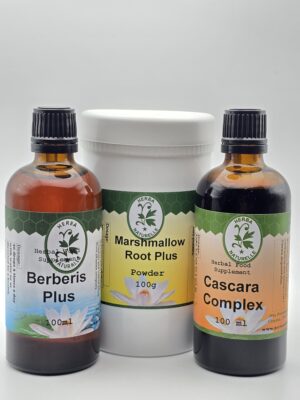 Digestive reset bundle
Original price was: £151.65.£144.95Current price is: £144.95.
Digestive reset bundle
Original price was: £151.65.£144.95Current price is: £144.95.
-
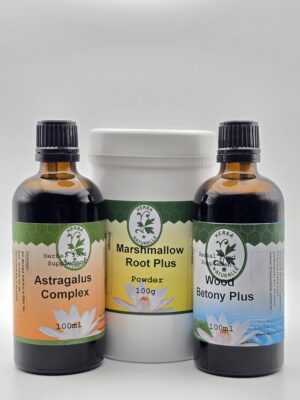 Smooth muscle and immune reset Bundle
Original price was: £177.60.£159.95Current price is: £159.95.
Smooth muscle and immune reset Bundle
Original price was: £177.60.£159.95Current price is: £159.95.
-
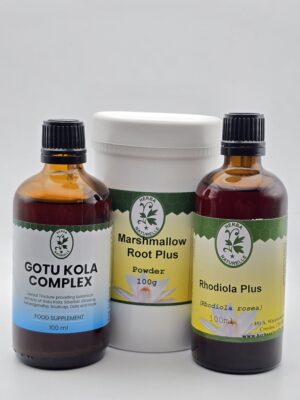 Nervous System Reset
Original price was: £163.68.£149.95Current price is: £149.95.
Nervous System Reset
Original price was: £163.68.£149.95Current price is: £149.95.
-
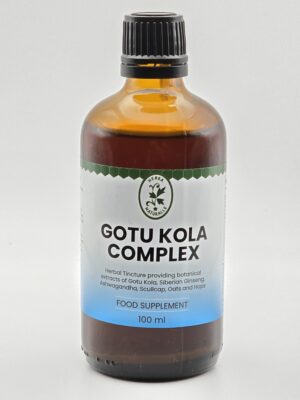 Gotu Kola Complex
£26.95
Gotu Kola Complex
£26.95


About the Author

Holistic Herbalist in UK · 30 Years of Excellence at Croydon, GB
Angela Jegnathan brings over 30 years of experience in integrated medicine and more than 25 years of full-time clinical herbal practice. Specializing in holistic herbal medicine, she focuses on restoring digestive health, calming the nervous system, and supporting the body's natural inflammatory response through evidence-based, patient-centered care.
Expertise: Holistic Herbs, Natural Medicines, Herbal Health
30 years of experience
