Shepherd’s Purse (Capsella bursa-pastoris): The Haemostatic Herb
Shepherd’s Purse — Capsella bursa-pastoris — is a small annual herb found in gardens, fields, and disturbed ground across Britain, named for the distinctive heart-shaped seed pods that resemble the pouches carried by medieval shepherds. This humble weed is one of the most specific haemostatic (bleeding-stopping) herbs in the Western materia medica — used for centuries in European folk medicine and maintained in clinical herbal practice for its reliable ability to reduce excessive bleeding from mucous membranes and the uterus.
At Herba Naturalle, Shepherd’s Purse is listed in the comprehensive herb index as a primary haemostatic herb — complementary to the Shatavari Complex for female reproductive support and relevant to Stop the Inflammation Pandemic: Inflammation in the Female Reproductive System.
Active Compounds
- Flavonoids — quercetin, luteolin, diosmin, hesperidin; with vasoconstrictive and capillary-strengthening effects
- Polypeptides (bursin) — with haemostatic activity; stimulate platelet aggregation and reduce capillary permeability
- Choline — contributing to uterotonic effects
- Organic acids — fumaric acid and related compounds; anti-inflammatory
- Tannins — mild astringent contribution
Clinical Applications
Menorrhagia (Heavy Menstrual Bleeding)
The primary and most specific application. Shepherd’s Purse reduces excessive menstrual blood flow through its combined vasoconstricting, haemostatic, and mild uterotonic actions. Used during menstruation for acute heavy flow control, and as a tonic leading up to the period in cases of chronically heavy periods. Often combined with Lady’s Mantle and Raspberry Leaf for comprehensive menstrual toning.
Post-Partum Haemorrhage
Traditional midwifery use for reducing post-partum bleeding — used under qualified supervision alongside conventional medical management.
Nosebleeds (Epistaxis)
Applied topically (freshly expressed juice or diluted tincture) to a cotton wad inserted into the nostril — the haemostatic compounds act locally to reduce bleeding.
Urinary Tract
Mild diuretic and mild antiseptic action — used for urinary tract infections and urinary bleeding (haematuria) as a supportive herb alongside the Cornsilk Plus.
Relevant Blog Posts
- Stop the Inflammation Pandemic: Inflammation in the Female Reproductive System
- Stop the Inflammation Pandemic: The Digestive System (Part 1)
- Healing the Heart: Understanding and Reversing Inflammation in the Cardiovascular System
- Stop the Inflammation Pandemic – The Lymphatic System
- Welcome to the Final Episode of the Inflammation Pandemic Series
How to Use
- Tea (fresh herb preferred): 2–4g fresh or dried herb steeped 10 minutes; 3 cups daily during heavy periods
- Tincture (1:3): 3–5ml three times daily
Safety
- Pregnancy: Contraindicated — the uterotonic compounds can stimulate contractions
- Anticoagulants: The haemostatic activity may reduce anticoagulant effect — professional guidance
- Thyroid conditions: The choline content may theoretically affect thyroid function — monitor
Contact Herba Naturalle for female reproductive herbal support. Browse all products and the full herb index.
This article is for informational purposes only. Severe or persistent bleeding requires medical assessment. Please consult a qualified medical herbalist before use.
Our Trending Products & Bundles
-
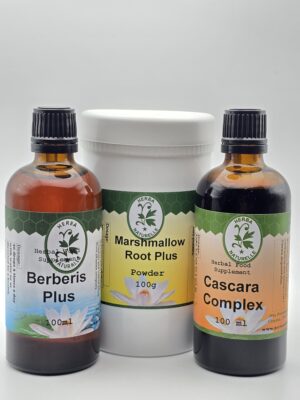 Digestive reset bundle
Original price was: £151.65.£144.95Current price is: £144.95.
Digestive reset bundle
Original price was: £151.65.£144.95Current price is: £144.95.
-
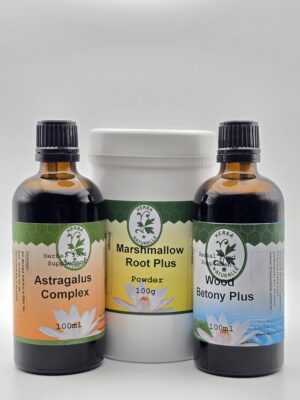 Smooth muscle and immune reset Bundle
Original price was: £177.60.£159.95Current price is: £159.95.
Smooth muscle and immune reset Bundle
Original price was: £177.60.£159.95Current price is: £159.95.
-
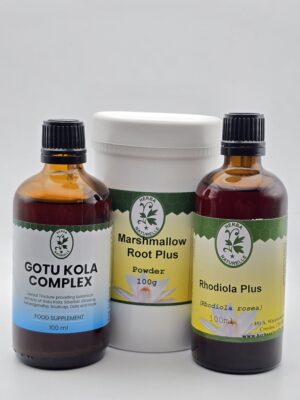 Nervous System Reset
Original price was: £163.68.£149.95Current price is: £149.95.
Nervous System Reset
Original price was: £163.68.£149.95Current price is: £149.95.
-
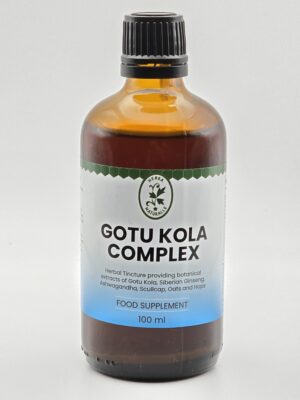 Gotu Kola Complex
£26.95
Gotu Kola Complex
£26.95

About the Author

Holistic Herbalist in UK · 30 Years of Excellence at Croydon, GB
Angela Jegnathan brings over 30 years of experience in integrated medicine and more than 25 years of full-time clinical herbal practice. Specializing in holistic herbal medicine, she focuses on restoring digestive health, calming the nervous system, and supporting the body's natural inflammatory response through evidence-based, patient-centered care.
Expertise: Holistic Herbs, Natural Medicines, Herbal Health
30 years of experience
