Ribwort Leaf (Plantago lanceolata): The Narrow-Leaved Respiratory Plantain
Ribwort — Plantago lanceolata — is the narrow-leaved relative of Broad-Leaved Plantain (Plantago major), distinguished by its lance-shaped leaves and distinctive ribbed appearance. While both Plantago species share much of their medicinal character, Ribwort has developed a particular reputation as the more specifically respiratory-focused of the two — one of the most widely used traditional herbs for coughs, bronchitis, and upper respiratory conditions across European folk and clinical herbal medicine.
At Herba Naturalle, Ribwort Leaf is listed in the comprehensive herb index as a primary respiratory mucous membrane herb — complementary to the Lungwort Plus and aligned with Stop the Inflammation Pandemic: Breathe Easy.
Active Compounds
- Iridoid glycosides — aucubin and catalpol; primary anti-inflammatory, antimicrobial, and wound-healing compounds — aucubin specifically has well-documented bronchial anti-inflammatory activity
- Mucilage — soothing demulcent action on the bronchial mucosa
- Tannins — astringent; reduce excess mucus secretion
- Flavonoids — luteolin, apigenin, quercetin; anti-inflammatory and antioxidant
- Allantoin — promotes tissue regeneration
Clinical Applications
Coughs and Bronchitis
Ribwort’s combination of aucubin-mediated anti-inflammatory action on the bronchial mucosa, soothing mucilage, and mild expectorant saponins makes it highly applicable in:
- Dry, irritating coughs — soothed by the mucilage and anti-inflammatory aucubin
- Productive coughs — gentle expectorant action aids clearance
- Post-infectious bronchial inflammation — the most specific and well-regarded application
Sinus and Upper Respiratory Mucous Membranes
The astringent tannins reduce excessive mucus secretion; the anti-inflammatory aucubin calms mucosal inflammation. Used for sinusitis, rhinitis, and the persistent catarrhal congestion that follows respiratory infections. The Elderflower Complex provides complementary sinus support.
Wound Healing
Fresh crushed Ribwort leaves applied topically accelerate wound healing through the allantoin and aucubin content — a traditional first-aid application shared with Broad-Leaved Plantain.
Digestive Support
The mucilage and aucubin content provides gentle digestive soothing — relevant in gastritis and mild gut inflammation.
Relevant Blog Posts
- Stop the Inflammation Pandemic: Breathe Easy – Inflammation in the Nose, Sinuses, and Lungs
- Stop the Inflammation Pandemic – The Lymphatic System
- Stop the Inflammation Pandemic: The Digestive System (Part 1)
- Inflammation in Muscles and Joints: The Hidden Link to Autoimmunity
- Welcome to the Final Episode of the Inflammation Pandemic Series
How to Use
- Tea: 2–4g dried leaf steeped 10 minutes; 3 cups daily
- Tincture (1:3): 3–5ml three times daily
- Fresh leaf (topical): Crush and apply to wounds and bites
Safety
- Extremely safe with an excellent safety profile
- No significant contraindications at therapeutic doses
- Pregnancy: Generally considered safe at standard doses
Contact Herba Naturalle for respiratory herbal support. Browse all products and the full herb index.
This article is for informational purposes only. Please consult a qualified medical herbalist before use.
Our Trending Products & Bundles
-
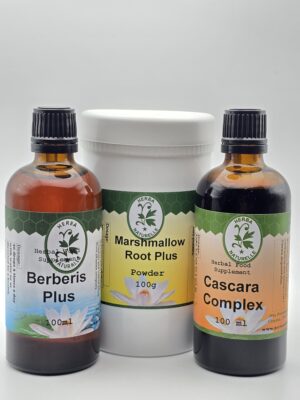 Digestive reset bundle
Original price was: £151.65.£144.95Current price is: £144.95.
Digestive reset bundle
Original price was: £151.65.£144.95Current price is: £144.95.
-
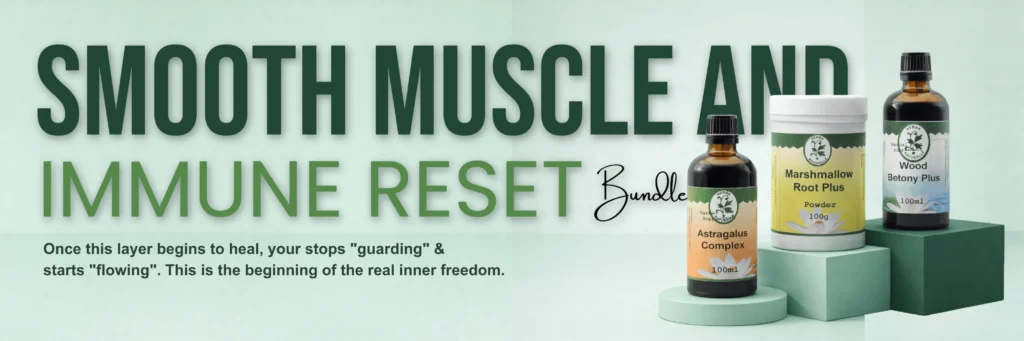
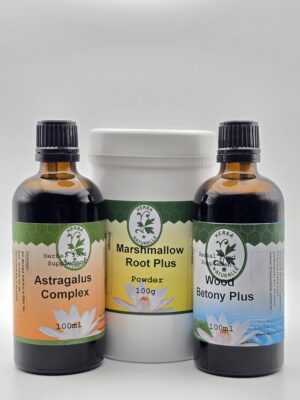 Smooth muscle and immune reset Bundle
Original price was: £177.60.£159.95Current price is: £159.95.
Smooth muscle and immune reset Bundle
Original price was: £177.60.£159.95Current price is: £159.95.
-
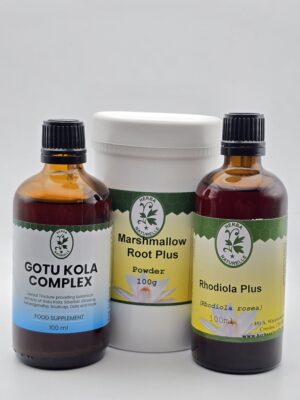 Nervous System Reset
Original price was: £163.68.£149.95Current price is: £149.95.
Nervous System Reset
Original price was: £163.68.£149.95Current price is: £149.95.
-
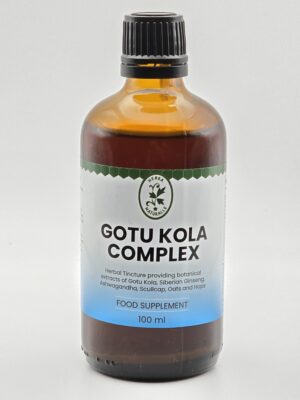 Gotu Kola Complex
£26.95
Gotu Kola Complex
£26.95

About the Author

Holistic Herbalist in UK · 30 Years of Excellence at Croydon, GB
Angela Jegnathan brings over 30 years of experience in integrated medicine and more than 25 years of full-time clinical herbal practice. Specializing in holistic herbal medicine, she focuses on restoring digestive health, calming the nervous system, and supporting the body's natural inflammatory response through evidence-based, patient-centered care.
Expertise: Holistic Herbs, Natural Medicines, Herbal Health
30 years of experience
