Oak Bark (Quercus robur): Britain’s Mightiest Astringent
Oak Bark — from Quercus robur, the English Oak — carries the strength and durability of Britain’s most iconic tree directly into its medicinal application. With one of the highest tannin concentrations of any commonly used medicinal bark (15–20%), Oak Bark is among the most powerfully astringent herbs available — used wherever tissue needs firming, toning, and protection from excessive secretion or bleeding.
At Herba Naturalle, Oak Bark is listed in the comprehensive herb index as a primary astringent — complementary to the gut lining work of the Digestive Reset Bundle where toning rather than soothing is required.
Active Compounds
- Tannins (15–20%) — ellagitannins and condensed tannins; the primary active compounds; bind and precipitate proteins, creating a protective, toning film over mucous membranes and skin; reduce secretion, inflammation, and bleeding
- Quercitannic acid — contributing to the antimicrobial and astringent action
- Flavonoids — quercetin derivatives; anti-inflammatory and antioxidant
- Pectin — additional mild soothing contribution
Clinical Applications
Acute Diarrhoea
Oak Bark’s tannin content is among the most effective astringents for acute diarrhoea — toning the intestinal mucosa, reducing fluid secretion into the bowel, and firming stool consistency. Used for short courses in acute diarrhoeal illness. Complementary to American Cranesbill for comprehensive astringent action.
Haemorrhoids
The astringent and anti-inflammatory tannins make Oak Bark a classic topical and internal remedy for haemorrhoids — toning the distended venous tissue and reducing inflammation. Used as a sitz bath, topical compress, or suppository preparation.
Skin Conditions (Weeping Eczema)
Oak Bark decoction applied as a compress is specifically indicated for weeping, exudative skin conditions — the tannins dry and tone the skin, reducing excessive fluid loss and providing antimicrobial protection.
Sore Throat and Gum Disease
As a gargle or mouthwash, Oak Bark tones inflamed throat and gum tissue, reduces bleeding gums, and provides antimicrobial protection.
Varicose Veins
The astringent action on vascular tissue provides some toning benefit for varicose veins, complementing more specific vascular herbs like Horse Chestnut and Butcher’s Broom.
Relevant Blog Posts
- Stop the Inflammation Pandemic: The Digestive System (Part 1)
- Stop the Inflammation Pandemic: Digestive System (Part 2)
- Healing the Heart: Understanding and Reversing Inflammation in the Cardiovascular System
- Inflammation in Muscles and Joints: The Hidden Link to Autoimmunity
- Welcome to the Final Episode of the Inflammation Pandemic Series
How to Use
- Decoction: 2–3g dried bark simmered 15 minutes; 2 cups daily for acute diarrhoea (short courses only)
- Topical compress/wash: Strong decoction cooled and applied directly
- Gargle: Diluted decoction for sore throat and gum health
Safety
- Short-term use only for diarrhoea: Maximum 3–4 days; persistent diarrhoea requires medical assessment
- High-tannin diets: Avoid excessive long-term use — may impair iron and protein absorption
- Pregnancy: Generally safe at standard culinary-equivalent doses; avoid high therapeutic doses
- Damaged or broken skin (topical): Use with caution due to high tannin concentration
Contact Herba Naturalle for digestive and skin herbal support. Browse all products and the full herb index.
This article is for informational purposes only. Please consult your GP for persistent diarrhoea or rectal bleeding.
Our Trending Products & Bundles
-
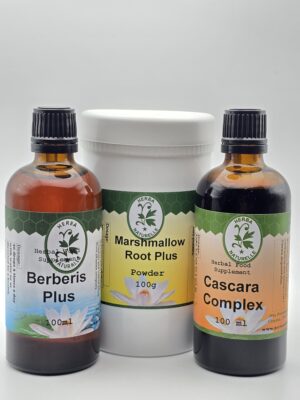 Digestive reset bundle
Original price was: £151.65.£144.95Current price is: £144.95.
Digestive reset bundle
Original price was: £151.65.£144.95Current price is: £144.95.
-
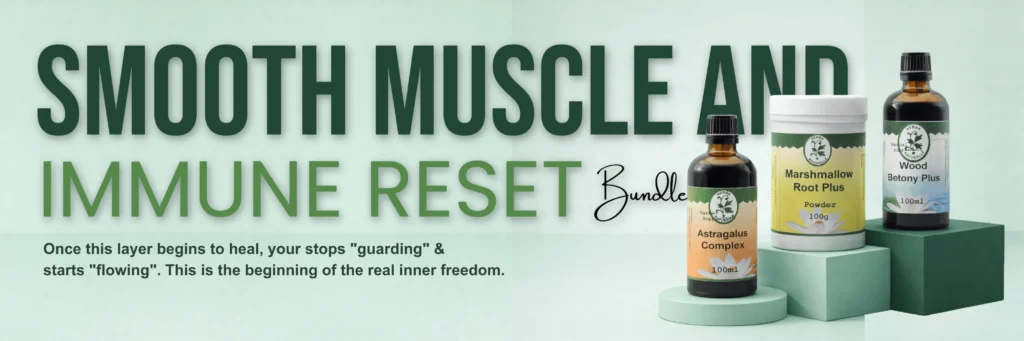
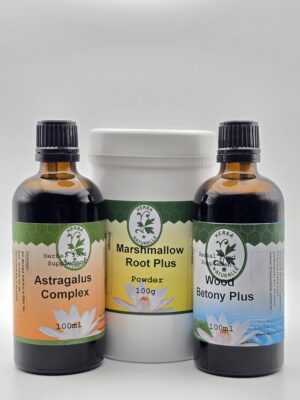 Smooth muscle and immune reset Bundle
Original price was: £177.60.£159.95Current price is: £159.95.
Smooth muscle and immune reset Bundle
Original price was: £177.60.£159.95Current price is: £159.95.
-
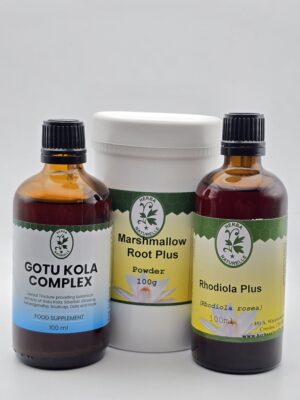 Nervous System Reset
Original price was: £163.68.£149.95Current price is: £149.95.
Nervous System Reset
Original price was: £163.68.£149.95Current price is: £149.95.
-
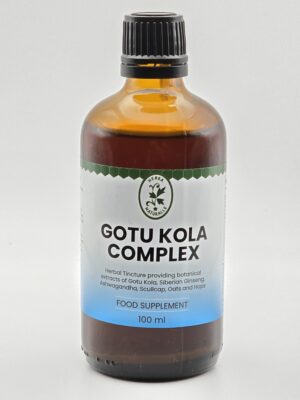 Gotu Kola Complex
£26.95
Gotu Kola Complex
£26.95

About the Author

Holistic Herbalist in UK · 30 Years of Excellence at Croydon, GB
Angela Jegnathan brings over 30 years of experience in integrated medicine and more than 25 years of full-time clinical herbal practice. Specializing in holistic herbal medicine, she focuses on restoring digestive health, calming the nervous system, and supporting the body's natural inflammatory response through evidence-based, patient-centered care.
Expertise: Holistic Herbs, Natural Medicines, Herbal Health
30 years of experience
