Nettle Root (Urtica dioica rad): The Prostate Herb
Nettle Root — the underground rhizome of Urtica dioica — has an entirely distinct clinical profile from the leaf, with a specific and well-evidenced application in benign prostatic hyperplasia (BPH) — the age-related enlargement of the prostate gland that affects the majority of men over 50. While Nettle Leaf is primarily a nutritive and anti-allergy herb, Nettle Root contains different phytochemical compounds that interact directly with hormonal pathways relevant to prostate health.
At Herba Naturalle, Nettle Root is listed separately from Nettle Leaf in the comprehensive herb index — a clinically important distinction. It complements the Gokshura Ashwagandha Plus for comprehensive male health support, and is relevant to the Stop the Inflammation Pandemic: Inflammation in the Male Reproductive System framework.
Active Compounds
- Lignans — particularly (+)-neo-olivil; bind to sex hormone-binding globulin (SHBG), reducing the binding capacity for dihydrotestosterone (DHT) and oestrogen, affecting the hormonal signalling relevant to prostate growth
- Phenylpropanes — with anti-inflammatory and 5-alpha-reductase inhibiting activity (the enzyme that converts testosterone to DHT)
- Sterols — beta-sitosterol; with documented benefit in BPH symptoms
- Polysaccharides — immune-modulating and anti-inflammatory
- Lectins — with additional anti-inflammatory properties
Clinical Evidence
Multiple randomised controlled trials demonstrate that Nettle Root extract significantly improves urinary symptoms in BPH — reducing nocturia (night-time urination), improving urinary flow rate, and reducing residual urine volume. Combination trials with Saw Palmetto show enhanced effects, and Nettle Root is included in numerous approved BPH phytotherapy products across Europe, particularly Germany.
Clinical Applications
Benign Prostatic Hyperplasia (BPH)
The primary and best-evidenced application. The mechanism involves multiple simultaneous pathways:
- Reducing 5-alpha-reductase activity (less DHT conversion)
- Binding to SHBG, modulating free hormone availability
- Anti-inflammatory action reducing prostatic tissue inflammation
- Reducing the binding of DHT to prostate cell receptors
Symptoms improved include urinary frequency, nocturia, weak stream, and incomplete emptying.
Urinary Tract Symptoms
Beyond BPH specifically, Nettle Root provides general urinary tract anti-inflammatory support — complementing the Cornsilk Plus and Couch Grass Complex.
Joint Health
Like the leaf, Nettle Root has anti-inflammatory properties relevant to joint conditions — complementing the Inflammation in Muscles and Joints framework.
Relevant Blog Posts
- Stop the Inflammation Pandemic: Inflammation in the Male Reproductive System
- Inflammation in Muscles and Joints: The Hidden Link to Autoimmunity
- Stop the Inflammation Pandemic – The Lymphatic System
- Healing the Heart: Understanding and Reversing Inflammation in the Cardiovascular System
- Welcome to the Final Episode of the Inflammation Pandemic Series
How to Use
- Standardised extract: 360–600mg daily — the dose used in most clinical trials
- Tincture (1:3): 3–5ml twice daily
- Allow 4–8 weeks for symptomatic improvement
Safety
- Excellent safety profile
- Anticoagulants: Mild theoretical interaction
- PSA testing: Discuss herbal use with your GP before PSA testing as some studies suggest possible minor influence
Contact Herba Naturalle for prostate and male health herbal support. Browse all products and the full herb index.
This article is for informational purposes only. Please see your GP for any new urinary symptoms, particularly to exclude other causes.
Our Trending Products & Bundles
-
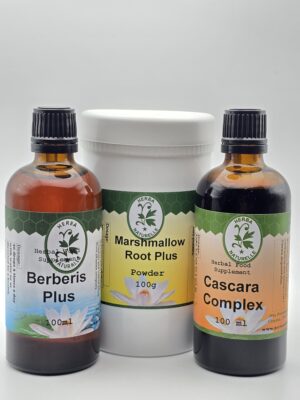 Digestive reset bundle
Original price was: £151.65.£144.95Current price is: £144.95.
Digestive reset bundle
Original price was: £151.65.£144.95Current price is: £144.95.
-
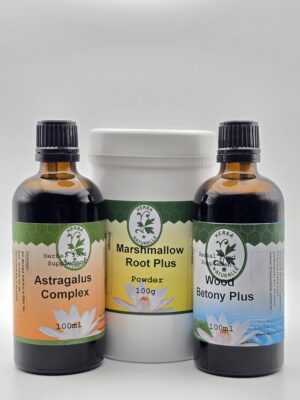 Smooth muscle and immune reset Bundle
Original price was: £177.60.£159.95Current price is: £159.95.
Smooth muscle and immune reset Bundle
Original price was: £177.60.£159.95Current price is: £159.95.
-
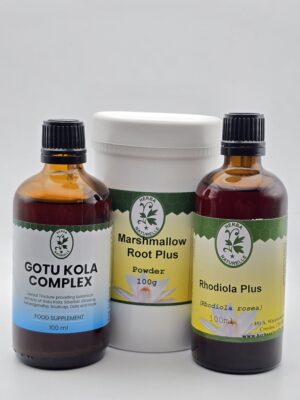 Nervous System Reset
Original price was: £163.68.£149.95Current price is: £149.95.
Nervous System Reset
Original price was: £163.68.£149.95Current price is: £149.95.
-
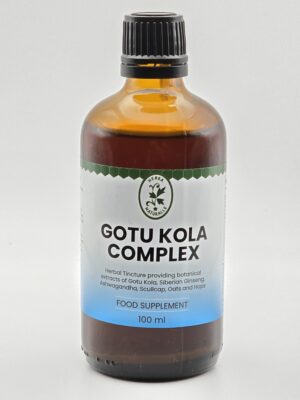 Gotu Kola Complex
£26.95
Gotu Kola Complex
£26.95


About the Author

Holistic Herbalist in UK · 30 Years of Excellence at Croydon, GB
Angela Jegnathan brings over 30 years of experience in integrated medicine and more than 25 years of full-time clinical herbal practice. Specializing in holistic herbal medicine, she focuses on restoring digestive health, calming the nervous system, and supporting the body's natural inflammatory response through evidence-based, patient-centered care.
Expertise: Holistic Herbs, Natural Medicines, Herbal Health
30 years of experience
