Echinacea purpurea Root: The Acute Immune Stimulant
Echinacea purpurea — the purple coneflower — is one of the most studied and most used herbal supplements in the world. With over 400 published clinical studies and more than a century of use in Western herbal medicine for acute infections, it has become virtually synonymous with herbal immune support in the popular imagination. While it is often taken without discrimination from its close relatives, understanding what makes E. purpurea specifically effective — and when to use it versus E. angustifolia — is central to clinical herbal practice.
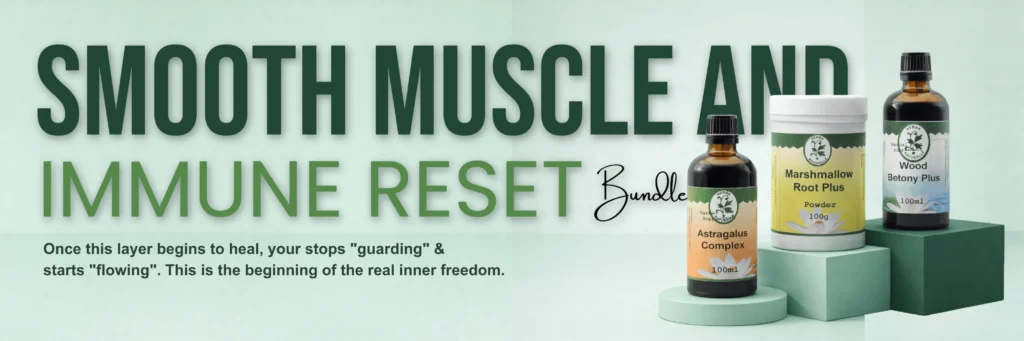
At Herba Naturalle, Echinacea purpurea root is listed separately from E. angustifolia root in the comprehensive herb index — reflecting the clinical significance of these distinctions. For deeper chronic immune support, see the companion article on E. angustifolia. For the Smooth Muscle and Immune Reset Bundle and broader immune formulations, see Herba Naturalle’s full product range.
Active Compounds
- Polysaccharides — arabinogalactan, acidic polysaccharides (heteroxylan, rhamnoarabinogalactan); stimulate macrophage activation, increase interferon production, and enhance natural killer cell activity
- Alkylamides — present in the root (higher in E. angustifolia); contribute to the immunomodulatory activity
- Glycoproteins — with direct macrophage-activating properties
- Caffeic acid derivatives — cynarin, echinacoside (lower than in E. angustifolia), chlorogenic acid; antioxidant and antiviral
- Volatile oil — with antimicrobial activity
Clinical Evidence
The evidence base for Echinacea purpurea is substantial:
- Cold prevention: Meta-analyses confirm a 35–58% reduction in the incidence of common colds with prophylactic Echinacea use
- Cold treatment: Reductions in duration by 1–4 days and in symptom severity with Echinacea preparations started at symptom onset
- Immune cell activity: Documented increases in phagocytic activity, natural killer cell function, and interferon production
Clinical Applications
Acute Cold and Flu Prevention and Treatment
The most validated application. E. purpurea is most effective when started immediately at the first sign of infection — sore throat, sneezing, fatigue, or the sense of “coming down with something.” Starting early and taking adequate doses maximises its acute immune-stimulating benefit.
Upper Respiratory Tract Infections
For sinusitis, pharyngitis, tonsillitis, and acute bronchitis — E. purpurea supports the immune response and may shorten the duration of illness. The Elderflower Complex provides complementary sinus and upper respiratory support.
Wound Healing and Recurrent Skin Infections
The topical preparation of E. purpurea is a traditional and evidence-supported remedy for slow-healing wounds and recurrent skin infections.
How to Use
- Tincture (1:3): 3–5ml every 2–4 hours at the first sign of infection; reduce to three times daily as illness continues; maximum 10–14 days
- Juice (Echinacea purpurea expressed juice — Echinacin): 6–9ml daily, the form used in most clinical trials
- Use for defined acute courses (7–14 days), not continuously
Safety
- Autoimmune conditions: Use with professional guidance
- Immunosuppressants: May counteract
- Asteraceae allergy: Rare but significant
- Pregnancy: Avoid therapeutic doses
- Not for continuous long-term use: Evidence suggests immune tolerance with prolonged uninterrupted use
Contact Herba Naturalle for immune herbal support. Browse all products and the full herb index.
This article is for informational purposes only. Please consult a qualified medical herbalist before use.
Our Trending Products & Bundles
-
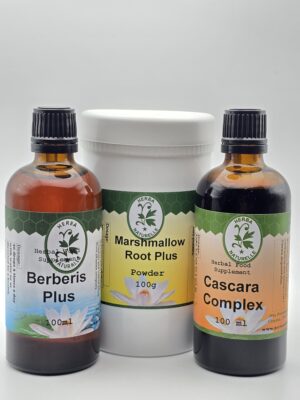 Digestive reset bundle
Original price was: £151.65.£144.95Current price is: £144.95.
Digestive reset bundle
Original price was: £151.65.£144.95Current price is: £144.95.
-
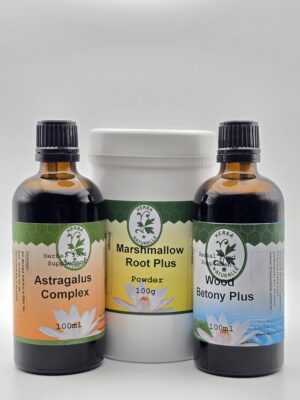 Smooth muscle and immune reset Bundle
Original price was: £177.60.£159.95Current price is: £159.95.
Smooth muscle and immune reset Bundle
Original price was: £177.60.£159.95Current price is: £159.95.
-
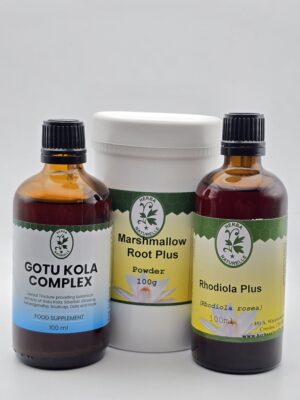 Nervous System Reset
Original price was: £163.68.£149.95Current price is: £149.95.
Nervous System Reset
Original price was: £163.68.£149.95Current price is: £149.95.
-
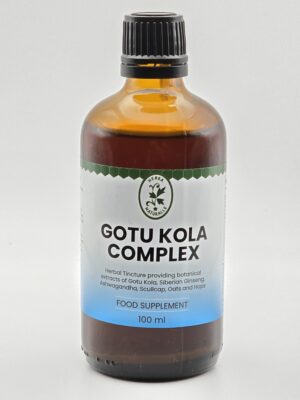 Gotu Kola Complex
£26.95
Gotu Kola Complex
£26.95