Coltsfoot Flower (Tussilago farfara flos): The Ancient Cough Remedy
Coltsfoot — Tussilago farfara — is one of the earliest flowering plants of the British spring, its bright yellow flowers appearing on bare stems before a single leaf has emerged — earning it the folk name “Son before Father.” The name Tussilago derives directly from the Latin tussis (cough) — a reflection of its most ancient and well-established medicinal application. Coltsfoot flowers have been used as a cough remedy in European herbal medicine for over two thousand years, appearing in the writings of Dioscorides, Pliny, and Galen.
At Herba Naturalle, both the flower and leaf of Coltsfoot are listed separately in the comprehensive herb index — the flower being the primary preparation for acute respiratory applications.
Active Compounds (Flower)
- Mucilaginous polysaccharides — the primary soothing and demulcent compounds; coat and protect inflamed respiratory mucosa
- Flavonoids — rutin, quercetin, and kaempferol derivatives; anti-inflammatory
- Terpenes — faradiol, arnidiol; anti-inflammatory
- Tannins — mild astringent action
- Pyrrolizidine alkaloids (trace) — present in both flower and leaf; safety consideration (see below)
Clinical Applications
Coughs — Acute and Chronic
The primary application across millennia of use. Coltsfoot Flower soothes irritated bronchial mucosa through its mucilage content, reduces bronchial inflammation through its flavonoids, and has mild expectorant action. Used for dry, irritating coughs, bronchitis, laryngitis, and tracheitis. The Lungwort Plus from Herba Naturalle provides complementary lower respiratory mucosal support.
Bronchitis and Respiratory Catarrh
The combination of soothing, anti-inflammatory, and mild expectorant activity makes Coltsfoot Flower appropriate for both acute and chronic bronchitis with excess mucus or with dry, irritating cough.
Asthma (Traditional Use)
Traditionally smoked (as an alternative to tobacco) and used as an inhalation for asthmatic presentations — the bronchodilatory and anti-inflammatory activity of the volatile compounds providing relief.
Safety — Critical Information
- Pyrrolizidine alkaloids: Present in trace quantities in the flower (more in the leaf and root); limit use to short courses (maximum 4–6 weeks per year); avoid high-dose long-term use
- Pregnancy and breastfeeding: Contraindicated
- Liver disease: Avoid
- Children: Not recommended for extended use
Contact Herba Naturalle for respiratory herbal support. Browse the full herb index and all products.
This article is for informational purposes only. Please consult a qualified medical herbalist before use.
Our Trending Products & Bundles
-
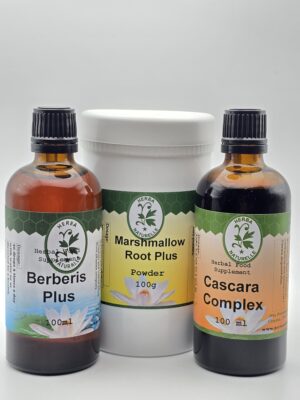 Digestive reset bundle
Original price was: £151.65.£144.95Current price is: £144.95.
Digestive reset bundle
Original price was: £151.65.£144.95Current price is: £144.95.
-
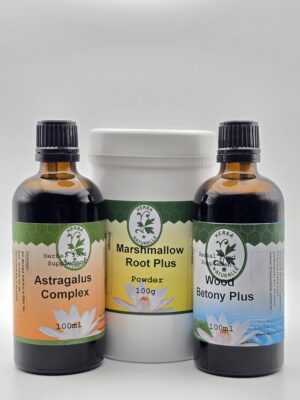 Smooth muscle and immune reset Bundle
Original price was: £177.60.£159.95Current price is: £159.95.
Smooth muscle and immune reset Bundle
Original price was: £177.60.£159.95Current price is: £159.95.
-
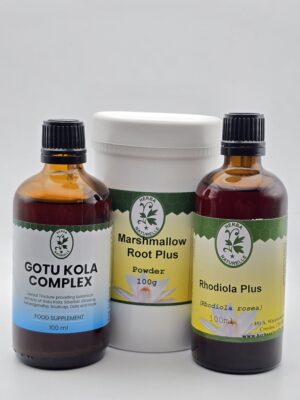 Nervous System Reset
Original price was: £163.68.£149.95Current price is: £149.95.
Nervous System Reset
Original price was: £163.68.£149.95Current price is: £149.95.
-
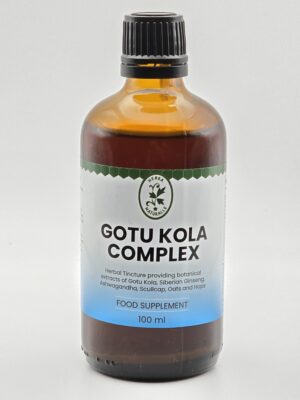 Gotu Kola Complex
£26.95
Gotu Kola Complex
£26.95