Camphor (Cinnamomum camphora): The Ancient Aromatic Healer
By Anjela Jeganathan – Holistic Medical Herbalist | Herba Naturalle
Camphor — derived from the wood of Cinnamomum camphora, the camphor laurel tree — is one of the most ancient and globally used medicinal aromatic substances. Known in Sanskrit as karpura, in Chinese medicine as zhang nao, and familiar across European, Islamic, and Ayurvedic medical traditions, camphor has been used for thousands of years as a topical analgesic, respiratory decongestant, antimicrobial, and cooling agent.
At Herba Naturalle, Camphor is listed in the comprehensive herb index as an important aromatic compound with well-defined topical and respiratory applications — and with an important safety profile that distinguishes safe external therapeutic use from the toxicity of internal ingestion.
Active Compounds
- Camphor (d-camphor) — a bicyclic monoterpene ketone; the sole primary active compound; activates cold-sensitive TRPM8 receptors and inhibits pain-signalling TRPV1 receptors, producing the characteristic cooling then warming analgesic sensation
- Safrole and other minor terpenes — in the crude wood; carcinogenic at high concentrations, removed from pharmaceutical-grade preparations
Clinical Applications
Topical Pain Relief
Camphor is one of the most widely used topical analgesics in the world, found in numerous pharmaceutical and traditional preparations. Applied to the skin in appropriate concentrations (0.1–11% in the UK), it activates pain-modulating receptors, increases local blood flow through counter-irritation, and provides meaningful relief in musculoskeletal pain, arthritis, neuralgia, and sports injuries.
Respiratory Decongestant
Inhaled camphor vapour stimulates cold receptors in the nasal mucosa, producing the subjective sensation of improved airflow and decongestant relief — even though it does not measurably reduce mucosal swelling. The actual relief comes from stimulating mucociliary clearance and reducing the sensation of congestion. The Elderflower Complex provides complementary sinus and nasal support.
Antimicrobial
Camphor has documented antimicrobial activity — relevant in topical applications for minor skin infections and as a preservative in traditional preparations.
Anti-pruritic (Anti-itch)
Low concentrations of camphor reduce the sensation of itch — used in topical preparations for insect bites, mild eczema, and urticaria.
⚠ Safety — Critical Information
- Never ingest camphor: Internal use is toxic — symptoms of camphor poisoning include seizures, confusion, and liver damage. Even small oral doses are dangerous.
- Children: Apply only to appropriate areas (chest, back); never apply to or near the face of children under 2 years
- Damaged or broken skin: Avoid — systemic absorption increases significantly through broken skin
- Pregnancy: Avoid — camphor crosses the placenta and can cause fetal toxicity
- UK maximum safe concentration for topical preparations: 11%
Explore the Herba Naturalle herb index, browse the herbal medicine philosophy, and contact the clinic for personalised respiratory and musculoskeletal support. See the full product range.
This article is for informational purposes only. Please consult a qualified practitioner before therapeutic use.
Our Trending Products & Bundles
-
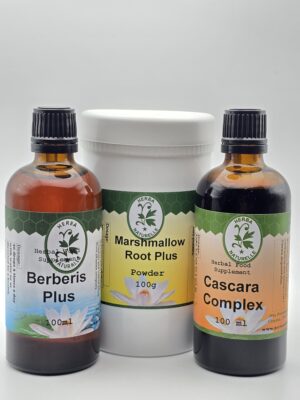 Digestive reset bundle
Original price was: £151.65.£144.95Current price is: £144.95.
Digestive reset bundle
Original price was: £151.65.£144.95Current price is: £144.95.
-
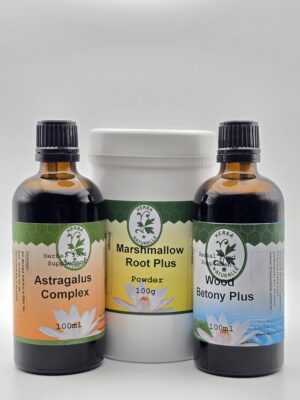 Smooth muscle and immune reset Bundle
Original price was: £177.60.£159.95Current price is: £159.95.
Smooth muscle and immune reset Bundle
Original price was: £177.60.£159.95Current price is: £159.95.
-
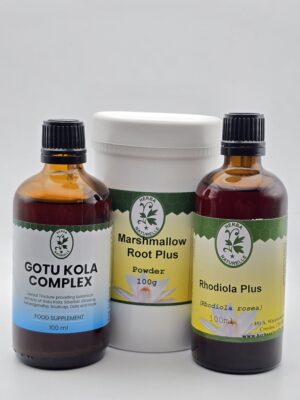 Nervous System Reset
Original price was: £163.68.£149.95Current price is: £149.95.
Nervous System Reset
Original price was: £163.68.£149.95Current price is: £149.95.
-
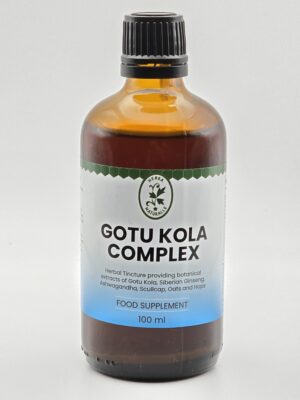 Gotu Kola Complex
£26.95
Gotu Kola Complex
£26.95