
Arjuna (Terminalia arjuna): Ayurveda’s Cardiac Tonic
Arjuna, Terminalia arjuna, is the most celebrated cardiac herb in the Ayurvedic tradition, named after the legendary warrior-hero Arjuna of the Mahabharata and used for over 3,000 years as a tonic for the heart, blood vessels, and circulatory system. In modern herbal medicine, it is gaining increasing recognition not merely as a traditional remedy but as a genuinely evidence-based cardiovascular herb — one with a safety profile and clinical record that makes it a valuable clinical tool for Western herbalists working with cardiovascular presentations.
At Herba Naturalle, cardiovascular health is understood through the lens of smooth muscle inflammation, nervous system regulation, and digestive-hepatic burden. Arjuna addresses the cardiac and vascular dimensions of this picture — directly supporting heart muscle function, reducing arterial inflammation, and improving the haemodynamic parameters that determine cardiovascular health.
Botanical Identity
Terminalia arjuna is a large deciduous tree growing to 20–25 metres, native to the Indian subcontinent and found particularly along river banks and near water courses. It belongs to the Combretaceae family, making it a relative of other clinically important Ayurvedic herbs including Haritaki (Terminalia chebula) and Bibhitaki (Terminalia bellirica) — together forming the classic Triphala combination. All three are listed in the Herba Naturalle herb index.
The medicinal part of Arjuna is the bark — specifically the inner bark, collected throughout the year but with the highest active compound concentration when harvested in the dry season. The bark contains a high concentration of tannins, glycosides, and minerals that collectively constitute its therapeutic activity.
Active Compounds
Arjuna bark contains:
- Arjunolic acid — a triterpenoid saponin identified as a primary cardioprotective compound; promotes heart muscle regeneration and reduces cardiac damage from ischaemia
- Terminolic acid, arjungenin, arjunetin — related triterpenoids with cardiovascular activity
- Glycosides — including arjunoside I, II, III, IV, and arjunetoside — contributing to cardiac tonic and antioxidant action
- Flavonoids — arjunone, arjunolone, and luteolin — with antioxidant and anti-inflammatory effects
- Tannins (12–17%) — condensed and hydrolysable tannins providing astringent, anti-inflammatory, and hepatoprotective activity
- Minerals — calcium, magnesium, zinc, and copper in bioavailable concentrations
- Phytosterols — including beta-sitosterol with cholesterol-modulating activity
Traditional Ayurvedic Applications
In Ayurvedic medicine, Arjuna is classified as hridya — a herb with primary affinity for the heart. Traditional applications include:
- Heart weakness and cardiac debility
- Chest pain and angina
- Hypertension
- Oedema (fluid retention) associated with cardiac insufficiency
- Cardiac arrhythmia
- Healing of the heart following grief and emotional trauma — reflecting the traditional Ayurvedic understanding of the heart as the seat of emotional experience
Clinical Evidence
Heart failure and cardiac function: The most striking clinical evidence for Arjuna comes from studies in chronic stable heart failure. A landmark study published in the International Journal of Cardiology found significant improvements in exercise tolerance, left ventricular ejection fraction, and quality of life in patients with stable heart failure given Arjuna bark extract (500mg twice daily) compared to placebo. These are clinically meaningful results in a condition for which conventional medicine has limited functional-improvement options.
Angina: A placebo-controlled trial in patients with stable angina demonstrated that Arjuna significantly reduced angina frequency, improved exercise tolerance on treadmill testing, and reduced ischaemic ST changes on ECG compared to placebo. The effect was comparable to the pharmaceutical nitrate isosorbide mononitrate in the same trial.
Blood pressure: Multiple studies demonstrate antihypertensive effects of Arjuna extract, with reductions in both systolic and diastolic blood pressure. The mechanism involves relaxation of vascular smooth muscle, inhibition of ACE-like activity, and antioxidant protection of the endothelium.
Lipid profile: Arjuna reduces total cholesterol, LDL, and triglycerides while maintaining or raising HDL — a cardioprotective lipid effect shared with other Terminalia species.
Antioxidant and cardioprotective: Arjuna provides significant protection to cardiac tissue from oxidative damage — of particular relevance in ischaemic heart disease and post-myocardial infarction recovery.
Arjuna and the Cardiovascular Framework at Herba Naturalle
The clinical approach at Herba Naturalle — understanding cardiovascular disease as rooted in smooth muscle lining inflammation, nervous system chronic activation, and digestive burden — aligns naturally with Arjuna’s multi-dimensional cardiovascular action. Arjuna does not merely manage symptoms: it strengthens cardiac muscle, reduces vascular inflammation, improves the lipid environment, and provides antioxidant protection to the heart and vessels — addressing the physiological root of cardiovascular degeneration.
The Smooth Muscle and Immune Reset Bundle addresses the arterial wall inflammation that Arjuna complements from the cardiac and vascular function side. The Nervous System Reset supports the chronic sympathetic over-activation that drives hypertension and cardiac strain. Together, these represent a comprehensive natural approach to cardiovascular health.
How to Use Arjuna
- Powder (churna): 1–3g of Arjuna bark powder in warm water or milk twice daily — the traditional Ayurvedic preparation (arjuna ksheerpaka — Arjuna milk)
- Capsule/tablet (standardised extract): 500mg standardised extract twice daily
- Tincture: 2–4ml (1:3 or 1:5) three times daily
Allow a minimum of 3–6 months for full cardiovascular benefit to accumulate. Arjuna is a tonic herb — its effects are cumulative and sustained.
Safety and Interactions
Arjuna is generally very well tolerated. Important considerations:
- Cardiac medications (digoxin, antihypertensives, statins): Arjuna may enhance or interact with these medications — always consult your cardiologist or GP before use if on cardiac medication
- Anticoagulants: The tannin and glycoside content may interact with warfarin — monitor INR
- Pregnancy and breastfeeding: Insufficient data — avoid therapeutic doses
- Not a substitute for cardiac medication: In established heart disease, Arjuna should be used as a complement to, not replacement for, conventional cardiac care
Arjuna at Herba Naturalle
Arjuna is one of the most powerful herbs in the Ayurvedic and Western botanical materia medica for cardiovascular support. Explore the full 224-herb index at Herba Naturalle and the complete product range for formulations supporting heart health, circulation, and the body’s deeper physiological layers. To discuss whether Arjuna or a personalised herbal cardiovascular programme is appropriate for your situation, contact Herba Naturalle for a clinical consultation.
This article is for informational purposes only. Always consult your cardiologist or GP before using herbal medicines alongside cardiac medication.
Our Trending Products & Bundles
-
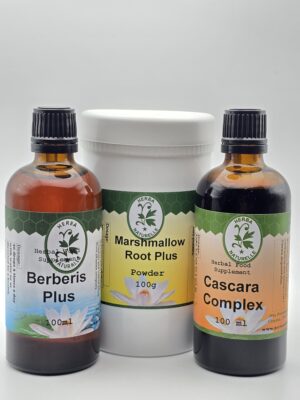 Digestive reset bundle
Original price was: £151.65.£144.95Current price is: £144.95.
Digestive reset bundle
Original price was: £151.65.£144.95Current price is: £144.95.
-
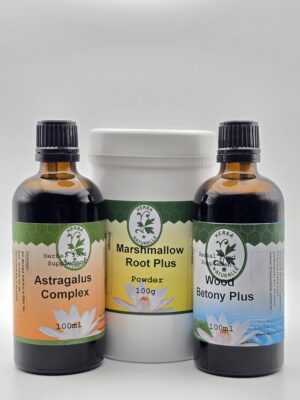 Smooth muscle and immune reset Bundle
Original price was: £177.60.£159.95Current price is: £159.95.
Smooth muscle and immune reset Bundle
Original price was: £177.60.£159.95Current price is: £159.95.
-
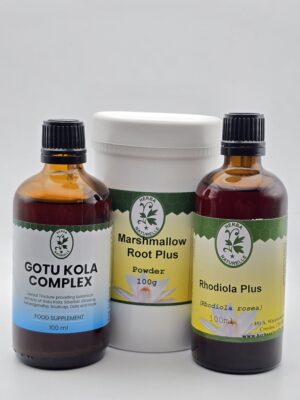 Nervous System Reset
Original price was: £163.68.£149.95Current price is: £149.95.
Nervous System Reset
Original price was: £163.68.£149.95Current price is: £149.95.
-
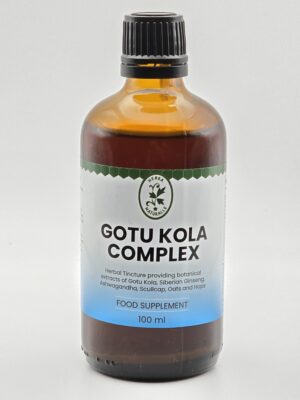 Gotu Kola Complex
£26.95
Gotu Kola Complex
£26.95