
Social Phobia (Social Anxiety Disorder): NHS Guidance and Complementary Approaches
Social phobia, also known as social anxiety disorder, is far more common than many people realise. It is much more than shyness: it is a persistent and intense fear of social situations that can significantly impact daily life, relationships, and work. This article explains what social phobia is, how it differs from ordinary shyness, what treatments the NHS offers, and what complementary approaches can help alongside conventional care.
What Is Social Phobia?
Social phobia is an anxiety disorder characterised by a persistent, intense fear of social situations in which the person fears being scrutinised, embarrassed, or humiliated by others. The fear is disproportionate to the actual threat posed by the situation and is recognised by the person as excessive, yet this recognition does not make the fear go away.
Common triggers include:
- Meeting new people or attending social gatherings
- Speaking in public or in groups
- Eating or drinking in front of others
- Being observed while working
- Using public toilets
- Starting or maintaining conversations
- Being the centre of attention

Social Phobia vs Shyness
It is important to distinguish between social phobia and ordinary shyness. Many people feel nervous in social situations from time to time, this is a normal human experience. Social phobia is different in that:
- The fear is persistent and does not improve with repeated exposure without treatment
- The fear leads to avoidance of social situations, or to enduring them with intense distress
- It interferes meaningfully with daily life, work, or relationships
- It is accompanied by significant physical symptoms such as blushing, sweating, trembling, nausea, or a racing heart
- The person often experiences significant anticipatory anxiety, fearing events days or weeks in advance
How Common Is Social Phobia in the UK?
Social anxiety disorder is one of the most common anxiety conditions in the UK, estimated to affect approximately 1 in 10 people at some point in their life. It typically begins in adolescence or early adulthood and, without treatment, can become a chronic condition.
NHS Treatments for Social Phobia
Cognitive Behavioural Therapy (CBT)
CBT is the first-line treatment recommended by NICE for social anxiety disorder. It works by identifying and challenging the thought patterns that drive social fear, combined with graduated exposure to feared situations. CBT for social anxiety is typically delivered over 12 to 14 sessions and has a strong evidence base.
NHS Talking Therapies
NHS Talking Therapies (formerly known as IAPT) services are available across England for free, either through a GP referral or by self-referral. They offer CBT and other evidence-based psychological treatments for social anxiety.
Medication
In some cases, medication may be recommended alongside or instead of therapy. The most commonly prescribed options for social anxiety disorder include SSRIs (particularly sertraline or escitalopram) and beta-blockers for specific performance situations. Medication alone is generally less effective than CBT and is often used in combination.
Self-Help Strategies Alongside NHS Treatment
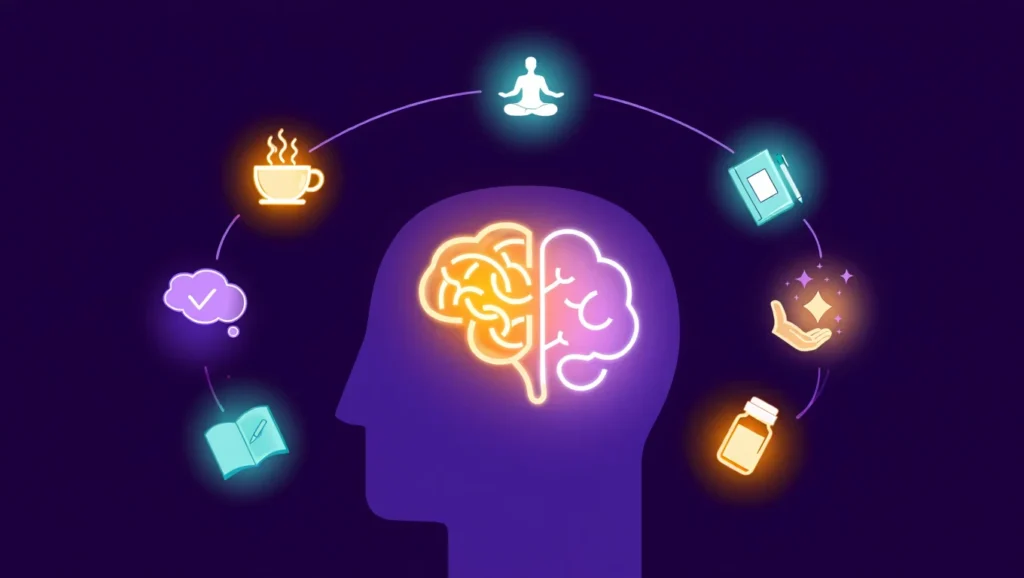
- Graduated exposure, gradually approaching feared situations in a structured way, starting with less threatening ones
- Mindfulness, building present-moment awareness reduces the power of anticipatory anxiety
- Physical exercise, reduces anxiety symptoms through multiple physiological pathways
- Limiting caffeine and alcohol, both can worsen anxiety symptoms
- Sleep, poor sleep amplifies social anxiety and reduces stress resilience
- Online self-help resources, the NHS website and related organisations such as Anxiety UK offer free guided programmes
The Nervous System Dimension of Social Phobia
Social anxiety is rooted in the nervous system, specifically in a hyperactivated threat response that interprets social situations as danger. For some people, this nervous system hypersensitivity is constitutional; for others it develops through experience. Either way, supporting the nervous system physiologically, alongside psychological approaches, can be a meaningful part of recovery.
The nervous system reset bundle from Herba Naturalle addresses the surface nervous system, the layer responsible for inner restlessness, vigilance, and the physical symptoms of anxiety such as trembling, palpitations, and gut reactions. The three-month protocol includes the
To understand more about how herbal medicine supports the nervous system and anxiety, visit the about herbal medicine page or explore
Where to Get Help for Social Phobia in the UK
- NHS Talking Therapies, self-refer online or via your GP
- Anxiety UK, provides specialist advice and therapy services: anxietyuk.org.uk
- No More Panic, peer support forum for anxiety conditions
- Your GP, for assessment, referral, and discussion of medication options
Support Your Body Naturally With Herba Naturalle
If any of the topics in this article resonate with you, the Herba Naturalle Bundle page offers a structured, three-step herbal protocol designed to address chronic illness at the root. The approach, developed over 30 years of clinical practice by Anjela Jeganathan, works across three healing layers:
- Step 1, Digestive Reset: Restore digestive rhythm, nutrient absorption, and healthy elimination
- Step 2, Surface Nervous System Reset: Calm inner restlessness, reduce stress reactivity, and settle the mind
- Step 3, Smooth Muscle & Immune Lining Healing: Reduce chronic inflammation in the tissue lining surrounding organs, blood vessels, and immune pathways
Explore the full protocol at the Herba Naturalle Bundle page and find the starting point that matches your body’s needs.
Have Questions? Get in Touch
If you would like personalised guidance or have questions about herbal support for your health, you are welcome to contact Anjela directly. She offers consultations tailored to your individual health needs.
Our Trending Products & Bundles
-
 Digestive reset bundle
Original price was: £151.65.£144.95Current price is: £144.95.
Digestive reset bundle
Original price was: £151.65.£144.95Current price is: £144.95.
-
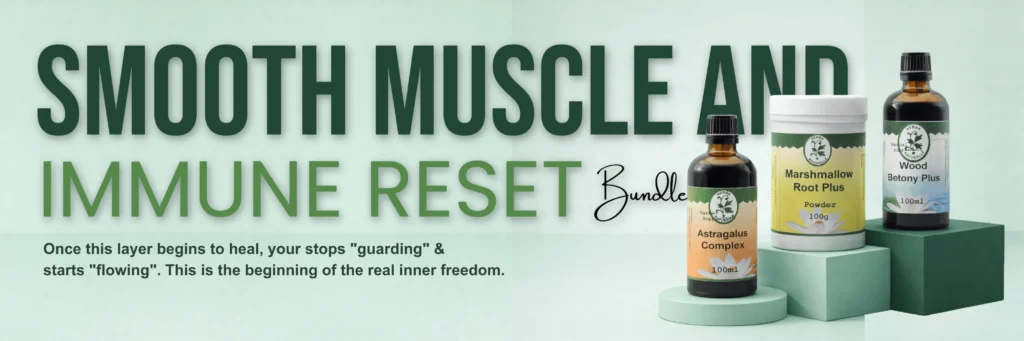
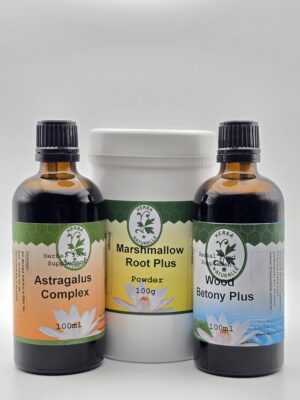 Smooth muscle and immune reset Bundle
Original price was: £177.60.£159.95Current price is: £159.95.
Smooth muscle and immune reset Bundle
Original price was: £177.60.£159.95Current price is: £159.95.
-
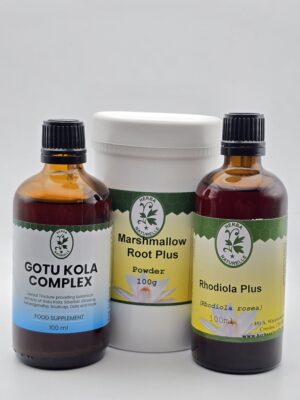 Nervous System Reset
Original price was: £163.68.£149.95Current price is: £149.95.
Nervous System Reset
Original price was: £163.68.£149.95Current price is: £149.95.
-
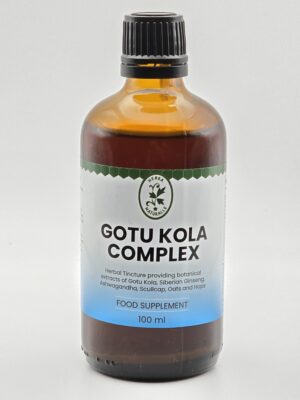 Gotu Kola Complex
£26.95
Gotu Kola Complex
£26.95