Lavender Aromatherapy Oil: Uses, Benefits and How to Apply It
Lavender aromatherapy oil is the most widely used essential oil in the world, and for good reason. Its versatility, safety profile, and genuine therapeutic action make it one of the few herbal remedies with both a rich traditional history and a growing evidence base. This guide covers what lavender aromatherapy oil actually does, how to use it effectively, and what to look for when buying.
What Is Lavender Aromatherapy Oil?
Lavender aromatherapy oil is an essential oil steam-distilled from the flowers of Lavandula angustifolia (true lavender) or related species. The most therapeutic variety is Lavandula angustifolia, grown primarily in Provence, France, Bulgaria, and the UK.
Its primary active constituents include:
- Linalool, a monoterpene alcohol with documented anxiolytic, sedative, and anti-inflammatory properties
- Linalyl acetate, an ester that contributes to the characteristic floral scent and appears to modulate the nervous system
- Camphor, 1,8-cineole, and beta-ocimene, present in smaller amounts but contributing to the overall therapeutic profile
Evidence-Based Benefits of Lavender Aromatherapy Oil
Anxiety and stress reduction: Multiple randomised controlled trials have demonstrated that inhaled lavender oil reduces anxiety scores, lowers cortisol levels, and reduces subjective stress. The effects are measurable both acutely (within minutes of inhalation) and with sustained use.
Sleep quality: Lavender aromatherapy has been shown in several studies to increase slow-wave (deep) sleep, reduce night-time awakening, and improve subjective sleep quality. Effects are most pronounced in people with mild-to-moderate sleep disturbance. An oral form of lavender (Silexan) has been licensed in Germany as a pharmaceutical for anxiety and sleep.
Pain relief: Lavender inhalation has been studied in post-operative pain, headache, and dysmenorrhoea (period pain), with modest but consistent pain-reducing effects. Its mechanism appears to involve both central (brain) and peripheral (local tissue) pathways.
Blood pressure and heart rate: Inhaled lavender has been shown to transiently reduce blood pressure and heart rate in people under stress, reflecting its parasympathetic (calming) effect on the autonomic nervous system.
Antimicrobial activity: Lavender oil has demonstrated antimicrobial activity against a range of bacteria and fungi in laboratory studies, making it a useful addition to natural cleaning and skincare formulations.
How to Use Lavender Aromatherapy Oil
Diffusion, an ultrasonic diffuser dispersed into the air is the most commonly studied method. Add 5–8 drops to a diffuser with water and run for 30–60 minutes. Ideal for evenings, sleep preparation, or any situation where calm is needed.
Topical application, always dilute in a carrier oil before applying to skin. A 2% dilution (12 drops per 30ml carrier oil) is appropriate for most adults. Apply to pulse points, temples, behind the ears, or the soles of the feet. Do not apply undiluted lavender directly to the skin.
Pillow spray, mix 15 drops of lavender oil with 100ml of water and a small amount of witch hazel in a spray bottle. Spritz lightly over pillows and bedlinen before sleep.
Bath, add 6–8 drops diluted in a carrier or bath dispersant to a warm bath 60–90 minutes before bed.
Inhalation, add 2–3 drops to a tissue or cotton pad and place near the nose or pillow for a simple, immediate effect.
Lavender Varieties: Which to Choose?
- True lavender (Lavandula angustifolia), the most therapeutically relevant, highest linalool content, best for stress, sleep, and skin
- Lavandin (Lavandula x intermedia), a hybrid of true lavender and spike lavender; higher camphor content, more stimulating, less suitable for sleep
- Spike lavender (Lavandula latifolia), highest camphor content; more appropriate for respiratory conditions than sleep or anxiety
For stress, sleep, and nervous system support, always choose Lavandula angustifolia.
Safety Considerations
- Do not apply undiluted to skin, always use a carrier oil
- Avoid during pregnancy, particularly in the first trimester
- Keep away from children under 2 years; use caution and dilute further for older children
- May cause sensitisation with repeated undiluted skin contact
- May interact mildly with sedative medications, use with caution if taking benzodiazepines or sleep medication
Lavender and the Nervous System: A Clinical Perspective
At Herba Naturalle, lavender is recognised as one of the most accessible and well-supported plant medicines for surface nervous system support, the layer of the body that processes stress, environmental stimuli, and emotional experience. Used alongside deeper herbal nervous system support, its effects can be meaningfully amplified.
The Gotu Kola Complex, containing ashwagandha, scullcap, hops, and oats alongside gotu kola, provides a deeper herbal foundation for nervous system calm that complements the immediate effects of lavender aromatherapy.
You can explore the full approach on the About Herbal Medicine page or browse the complete product range.
Contact the clinic for a personal consultation about herbal nervous system support.
The Herba Naturalle 3-Step Bundle
The Herba Naturalle Bundle supports the nervous system at a deeper physiological level through three steps:
Step 1, Restore Digestion: A clear digestive system supports neurotransmitter production and reduces the systemic burden that amplifies stress and anxiety.
Step 2, Calm the Surface Nervous System: The Nervous System Reset bundle directly addresses the chronic over-firing of the surface nervous system, the physiological root of anxiety, poor sleep, and stress sensitivity.
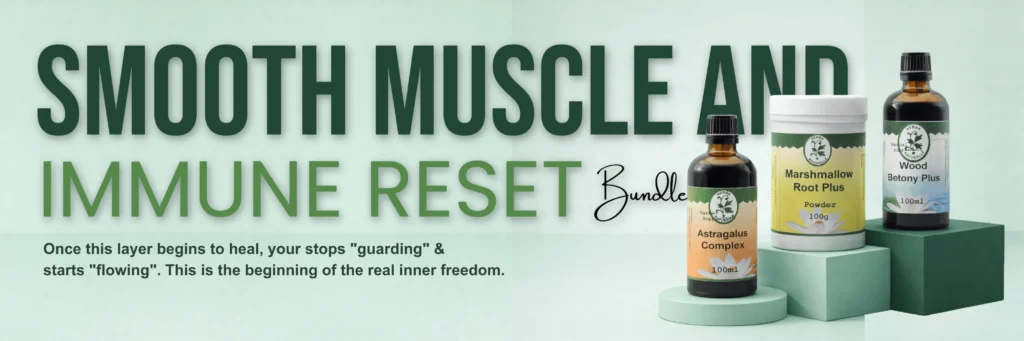
Step 3, Heal the Smooth Muscle Lining: Deep organ inflammation perpetuates physiological stress. The Smooth Muscle and Immune Reset Bundle reduces this hidden inflammatory burden.
This article is for informational purposes only. Essential oils are not a substitute for medical treatment. Please consult a healthcare professional if you have a health condition or take prescription medication.
Our Trending Products & Bundles
-
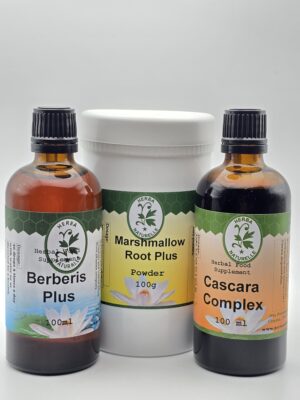 Digestive reset bundle
Original price was: £151.65.£144.95Current price is: £144.95.
Digestive reset bundle
Original price was: £151.65.£144.95Current price is: £144.95.
-
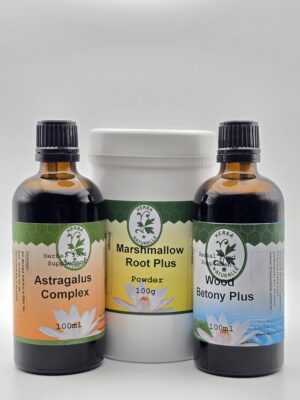 Smooth muscle and immune reset Bundle
Original price was: £177.60.£159.95Current price is: £159.95.
Smooth muscle and immune reset Bundle
Original price was: £177.60.£159.95Current price is: £159.95.
-
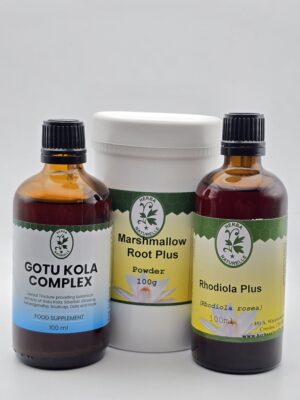 Nervous System Reset
Original price was: £163.68.£149.95Current price is: £149.95.
Nervous System Reset
Original price was: £163.68.£149.95Current price is: £149.95.
-
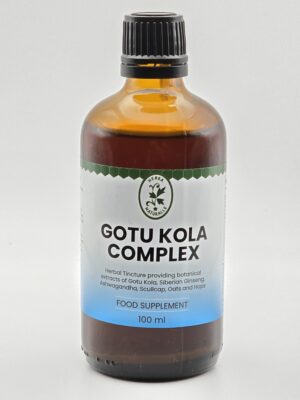 Gotu Kola Complex
£26.95
Gotu Kola Complex
£26.95