
QRISK Meaning: What Your Cardiovascular Risk Score Is Actually Telling You
If you have been told you have a QRISK score, or if you have come across the term during an NHS Health Check or GP appointment, you may be wondering what it actually means. This article explains the QRISK algorithm, what your percentage score represents, how it is used clinically, and what you can do to support healthier cardiovascular outcomes.
What Does QRISK Stand For?
QRISK is a cardiovascular risk algorithm developed specifically for the UK population. The ‘Q’ refers to QRESEARCH, the large UK primary care database that was used to derive and validate the algorithm. The full name reflects its purpose: it is a research-derived tool for estimating cardiovascular risk.
The score it produces represents your estimated probability of experiencing a cardiovascular event, specifically a heart attack or stroke, over the next 10 years, expressed as a percentage.
What Does a QRISK Score of 10% Mean?
A QRISK score is a population-level estimate. If your score is 10%, it means that in a group of 100 people with a very similar profile to yours, same age, sex, ethnicity, blood pressure, cholesterol, lifestyle, and medical history, approximately 10 of them would be expected to experience a heart attack or stroke within the next 10 years.
It does not mean you personally will or will not have a cardiovascular event. It is a probability estimate based on shared risk factors.

How Is the QRISK Score Calculated?
The QRISK algorithm uses a combination of clinical measurements and personal characteristics to produce the risk estimate. These include:
- Age
- Sex assigned at birth
- Ethnicity
- Area deprivation (using postcode data)
- Systolic blood pressure and its variability over readings
- Total cholesterol to HDL cholesterol ratio
- BMI
- Smoking status
- Family history of premature cardiovascular disease
- History of type 2 diabetes
- Atrial fibrillation
- Chronic kidney disease
- Rheumatoid arthritis
- Use of antihypertensives, corticosteroids, or antipsychotic medication
The latest version, QRISK3, added additional variables including severe mental illness, systemic lupus erythematosus, HIV, migraine, and erectile dysfunction.
What Is Considered a High QRISK Score in the UK?
In England, the NICE (National Institute for Health and Care Excellence) guideline threshold for discussion of statin therapy is a QRISK score of 10% or above. This does not mean statins are automatically prescribed above this threshold, rather, it opens the clinical conversation about benefits and risks.
- Below 10%: Lower risk, lifestyle modifications are the primary recommendation
- 10–20%: Moderate risk, lifestyle changes strongly recommended; statins may be discussed
- Above 20%: Higher risk, statins are typically recommended alongside lifestyle changes
These thresholds are guidelines rather than rigid cutoffs. Your GP will consider your full clinical picture before making any recommendations.

Can You Improve Your QRISK Score Over Time?
Yes, several of the variables that feed into the QRISK algorithm are modifiable through lifestyle change and, where appropriate, medical treatment. The most impactful areas to address include:
- Blood pressure, even modest reductions in systolic BP meaningfully lower cardiovascular risk
- Cholesterol ratio, improving diet and physical activity can shift the ratio of total to HDL cholesterol favourably
- Smoking, quitting has one of the largest effects on reducing cardiovascular risk
- Weight management, reducing BMI lowers risk across multiple pathways
- Blood glucose, managing type 2 diabetes or pre-diabetes reduces risk significantly
- Physical activity, regular aerobic exercise improves nearly every modifiable risk factor
Herbal Medicine and Cardiovascular Risk
Cardiovascular health is not solely a matter of medication and numbers. The smooth muscle lining that surrounds blood vessels, when chronically inflamed, impairs the normal flexibility and tone of arterial walls, contributing to sustained high blood pressure and vascular stiffness.
The smooth muscle and immune reset bundle at Herba Naturalle is designed to address this layer of chronic inflammation. As part of the broader Anjela Method, it works alongside digestive and nervous system restoration to address the root conditions that underpin many chronic cardiovascular risk factors.
For questions about how herbal medicine might support your cardiovascular health, you can review frequently asked questions

Support Your Body Naturally With Herba Naturalle
If any of the topics in this article resonate with you, the Herba Naturalle Bundle page offers a structured, three-step herbal protocol designed to address chronic illness at the root. The approach, developed over 30 years of clinical practice by Anjela Jeganathan, works across three healing layers:
- Step 1, Digestive Reset: Restore digestive rhythm, nutrient absorption, and healthy elimination.
- Step 2, Surface Nervous System Reset: Calm inner restlessness, reduce stress reactivity, and settle the mind.
- Step 3, Smooth Muscle & Immune Lining Healing: Reduce chronic inflammation in the tissue lining surrounding organs, blood vessels, and immune pathways.
Explore the full protocol at the Herba Naturalle Bundle page and find the starting point that matches your body’s needs.
Have Questions? Get in Touch
If you would like personalised guidance or have questions about herbal support for your health, you are welcome to contact Anjela directly. She offers consultations tailored to your individual health needs.
Our Trending Products & Bundles
-
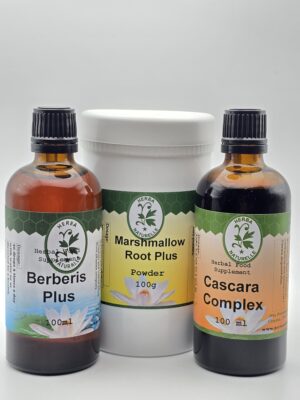 Digestive reset bundle
Original price was: £151.65.£144.95Current price is: £144.95.
Digestive reset bundle
Original price was: £151.65.£144.95Current price is: £144.95.
-
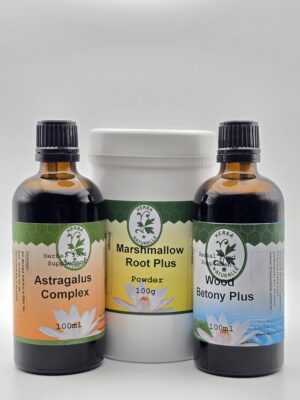 Smooth muscle and immune reset Bundle
Original price was: £177.60.£159.95Current price is: £159.95.
Smooth muscle and immune reset Bundle
Original price was: £177.60.£159.95Current price is: £159.95.
-
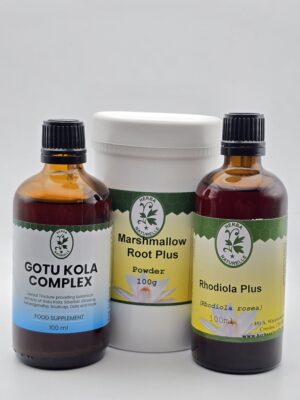 Nervous System Reset
Original price was: £163.68.£149.95Current price is: £149.95.
Nervous System Reset
Original price was: £163.68.£149.95Current price is: £149.95.
-
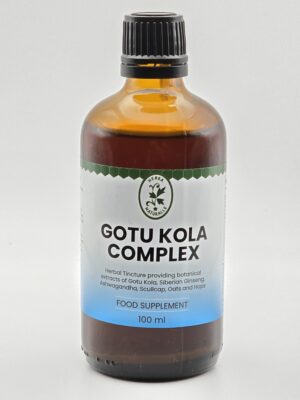 Gotu Kola Complex
£26.95
Gotu Kola Complex
£26.95